
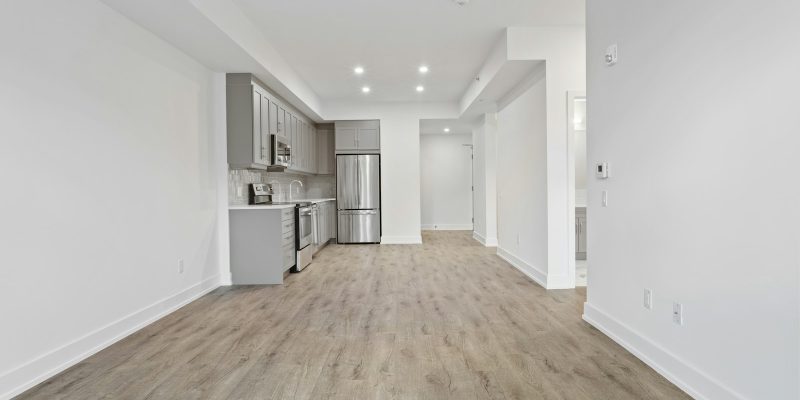
Flooring is one of the highest-impact, most cost-sensitive decisions in any San Antonio remodel. It touches every room, takes the most physical wear of any surface in the house, and has to hold up against sandy soil, muddy boots after a rainstorm, and pets tracking in from the backyard. This guide compares the flooring options San Antonio homeowners ask about most, tile, luxury vinyl plank (LVP), and hardwood, so you can choose the right material for each room rather than picking one flooring type for the whole house.
Why Flooring Choice Matters More in San Antonio Than You Think
Two local factors make flooring decisions here different from a lot of the country. First, the climate: hot summers and humidity swings can cause solid hardwood to expand and contract more than it would in a drier or more temperature-stable region. Second, the soil: expansive clay soil under many San Antonio slabs can shift slightly over time, which affects how rigid flooring materials like tile and hardwood perform versus more flexible options like LVP.
If your home is already showing other wear, our post on the 17 signs your San Antonio home is overdue for a renovation covers how flooring issues often show up alongside other maintenance needs.
Tile Flooring
Where Tile Works Best
Tile remains the top choice for bathrooms, entryways, laundry rooms, and kitchens because it handles moisture without warping or staining. Porcelain tile in particular has become popular in wood-look and stone-look finishes, giving homeowners the appearance of hardwood or natural stone with far better water resistance.
Pros and Cons
- Pros: Extremely durable, waterproof, low maintenance, wide range of styles, holds up to San Antonio’s outdoor-to-indoor foot traffic.
- Cons: Hard and cold underfoot without radiant heating (less of an issue locally), grout lines require occasional resealing, and it’s one of the more labor-intensive materials to install correctly.
Luxury Vinyl Plank (LVP)
Why LVP Has Taken Over Whole-Home Flooring
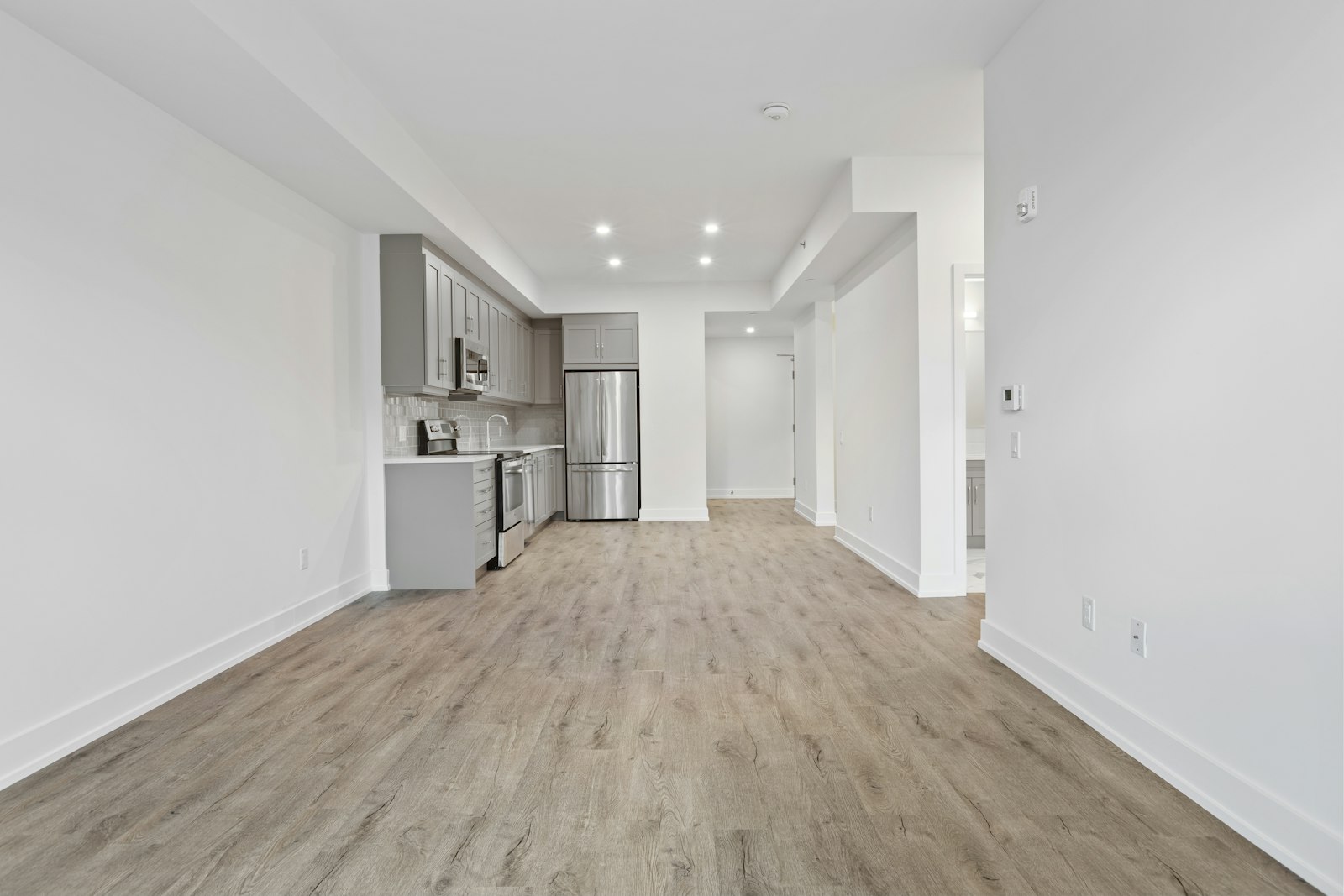
LVP has become the most requested flooring across San Antonio homes in the last few years, and for good reason. It’s waterproof, scratch-resistant, comfortable underfoot, and flexible enough to handle minor subfloor movement from soil shifts without cracking the way tile or hardwood can.
Rigid Core vs. Flexible LVP
Rigid core (SPC or WPC) LVP has a stiffer core layer that resists dents from furniture and performs well in high-traffic rooms. Flexible LVP is thinner, less expensive, and easier to install, but shows subfloor imperfections more readily and dents more easily under heavy furniture.
Pros and Cons
- Pros: 100% waterproof, budget-friendly compared to hardwood, easy to maintain, works well throughout an entire home for a cohesive look.
- Cons: Lower-end products can look and feel obviously synthetic; doesn’t add the same resale prestige as genuine hardwood in higher-end homes.
Hardwood Flooring
Solid Hardwood vs. Engineered Hardwood
Solid hardwood is a single piece of wood milled into planks, offering the ability to be refinished many times over its life, but it’s more sensitive to humidity swings. Engineered hardwood has a real wood veneer over a plywood or composite core, which makes it significantly more stable in fluctuating humidity, an important consideration in San Antonio’s climate.
Pros and Cons
- Pros: Timeless look, strong resale value, can be refinished (solid hardwood) to extend its lifespan for decades.
- Cons: Higher upfront cost, not recommended for bathrooms or laundry rooms, can be damaged by standing water from an appliance leak or pet accident.
How to Choose Flooring Room by Room
- Kitchen: Tile or waterproof LVP handle spills and heavy foot traffic best.
- Bathroom: Tile is still the gold standard for full water resistance.
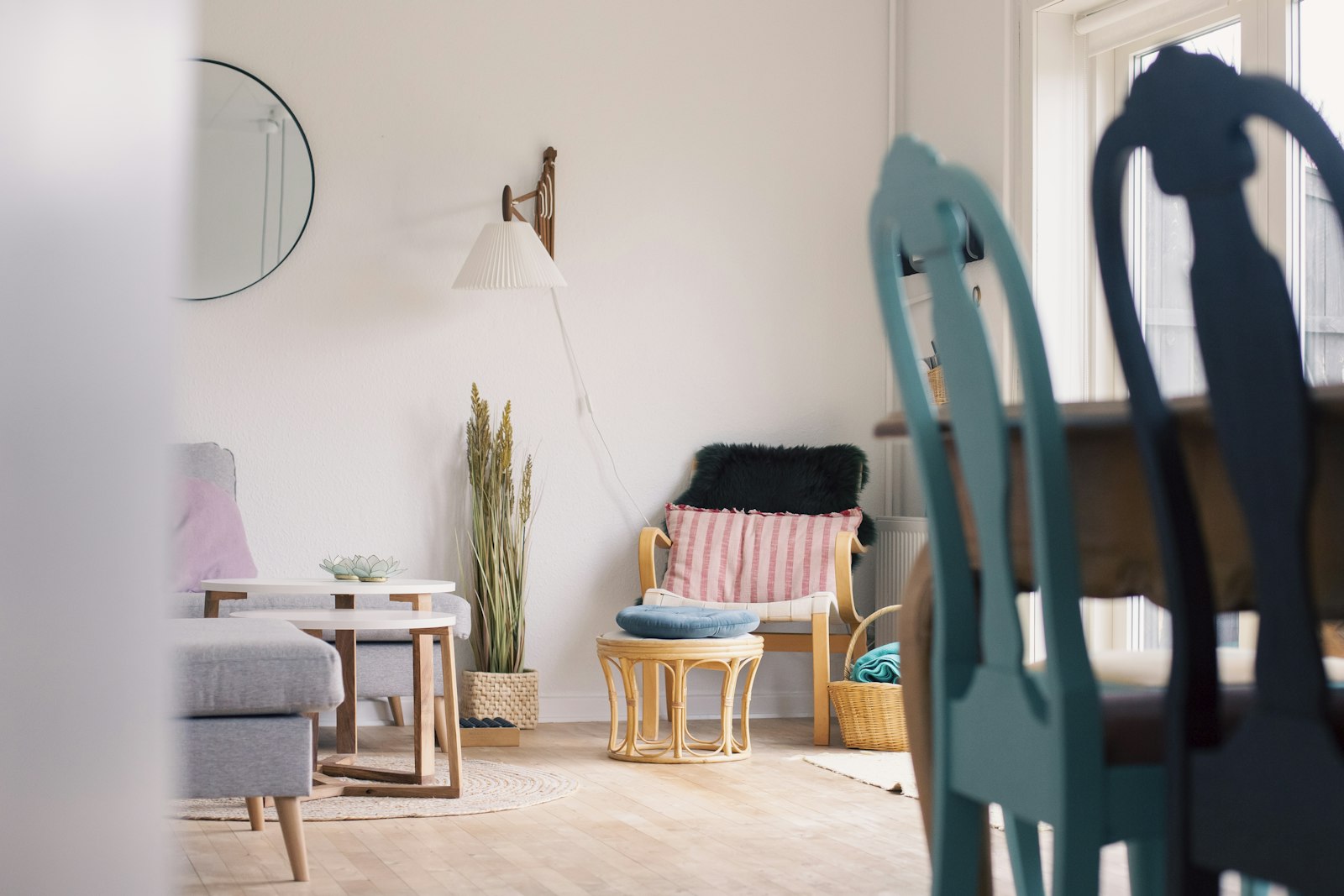
- Living and dining rooms: Hardwood or high-quality LVP both work well; choose based on budget and whether you want the resale boost of real wood.
- Bedrooms: Carpet, hardwood, or LVP all work; carpet remains popular for comfort underfoot.
- Entryways and mudrooms: Tile or rigid-core LVP stand up best to dirt, sand, and moisture tracked in from outside.
Cost Comparison: Tile vs. LVP vs. Hardwood
Material and installation costs scale with square footage, subfloor prep needed, and pattern complexity, but as a general rule:
- LVP is typically the most budget-friendly per square foot while still offering excellent durability.
- Tile sits in the middle to upper range, with cost rising for larger formats, natural stone, or intricate patterns.
- Hardwood, especially solid hardwood in wider planks or premium species, is generally the highest upfront investment but can add the most resale value in the right home.
For a whole-home flooring project alongside other updates, our kitchen and bathroom remodeling guide walks through how flooring fits into a larger renovation budget.
Planning a Flooring Project: Subfloor and Transitions
Subfloor Condition
Before new flooring goes down, the subfloor needs to be level, dry, and structurally sound. Skipping this step is one of the most common reasons flooring fails early, whether that shows up as cracked tile grout, peaking LVP seams, or squeaky hardwood.
Transitions Between Rooms
Mixing flooring types between rooms (tile in the kitchen, hardwood in the living room, for example) requires a plan for how those materials meet at doorways and open sightlines. A good contractor will map this out during design, not improvise it during installation.
Frequently Asked Questions
What is the most durable flooring for San Antonio homes?
Tile and rigid-core LVP are generally the most durable against moisture, heat, and daily wear, making them well-suited to San Antonio’s climate and lifestyle, especially in kitchens, entryways, and bathrooms.
Is LVP as good as real hardwood?
LVP offers better water resistance and lower maintenance than hardwood, but it doesn’t carry the same resale prestige or refinishing lifespan as solid hardwood. Many homeowners use LVP in high-moisture or high-traffic areas and reserve hardwood for formal living spaces.
Can hardwood flooring handle San Antonio’s humidity?
Engineered hardwood handles humidity swings better than solid hardwood because of its plywood core construction, making it a safer choice in homes without tightly controlled indoor humidity levels.
How long does a flooring installation take?
A single room typically takes one to three days depending on material and subfloor prep needed. A whole-home flooring replacement can take one to two weeks, factoring in furniture removal, old flooring demolition, and finish work like baseboards.
Should I replace flooring before or after other renovations?
Flooring is generally installed after major construction (framing, drywall, painting) but before final trim and cabinetry in most cases. If you’re doing a full remodel, your contractor should sequence flooring appropriately within the overall project timeline.
Ready to Update Your Flooring?
Choosing the right flooring for each room, and making sure it’s installed on a properly prepped subfloor, makes the difference between a floor that looks great for one year and one that looks great for fifteen. The SATX Remodeling team can help you compare materials in person and build a flooring plan that fits your home and budget. Reach out to schedule a consultation.
]]>