Homeowner reviewing a remodeling contract with a San Antonio contractor

Best Home Remodeling Contractor in San Antonio: What to Look For

Hiring the wrong contractor is the single most expensive mistake a homeowner can make on a remodel, more costly than any material upgrade or design choice. This guide covers exactly what to look for in a home remodeling contractor San Antonio homeowners can trust, from licensing to communication style, so you can tell the difference between a solid contractor and a risky one before signing anything.

Licensed contractor working on-site during a San Antonio remodeling project

Why Choosing the Right Contractor Matters So Much

A remodeling contractor San Antonio TX homeowners hire isn’t just executing a design, they’re managing your budget, your timeline, subcontractor relationships, permits, and inspections. A contractor who cuts corners in any of these areas can turn what should be an exciting project into a stressful, expensive one. This is one of the reasons we always encourage homeowners to look past the lowest bid and evaluate the full picture.

Licensing and Insurance: The Non-Negotiables

Verify Active Licensing

Texas doesn’t require a statewide general contractor license for residential work, but specific trades (electrical, plumbing, HVAC) do require licensed professionals. A reputable home renovation contractor will readily provide license numbers for any licensed subcontractors working on your project.

Confirm Insurance Coverage

General liability insurance and workers’ compensation coverage protect you if something goes wrong during construction. Ask for a certificate of insurance directly from the contractor, not just a verbal assurance, before work begins.

What to Look for in a San Antonio Remodeling Company

A Detailed, Written Estimate

A trustworthy remodeling company San Antonio homeowners can rely on provides an itemized estimate covering materials, labor, and timeline, not a vague lump-sum number. This level of detail makes it possible to compare bids meaningfully and catch scope gaps before they become change orders.

A Real Portfolio and Local References

Photos of completed local projects, ideally with addresses or neighborhoods you can verify, along with references you can actually call, tell you far more than online reviews alone. Ask specifically about projects similar in scope to yours.

Clear Communication From the Start

How a contractor communicates during the estimate process is a strong predictor of how they’ll communicate during construction. Slow responses, vague answers, or pressure to sign quickly are all worth noting as red flags.

A Defined Process

Established remodeling companies follow a repeatable process for design, material selection, permitting, and construction, rather than improvising project management on the fly. Our own renovation process guide is a good example of what a documented process should look like.

Red Flags to Watch For

  • Requests for large upfront payment. Texas law limits how much a contractor can require before work begins; be cautious of anyone asking for the full project cost upfront.
  • No physical business address. A legitimate local remodeling company should have a verifiable business presence in the San Antonio area.
  • Pressure tactics or “today only” pricing. Reputable contractors don’t need high-pressure sales tactics to win business.
  • Reluctance to provide references. A contractor with a solid track record will have no hesitation connecting you with past clients.
  • Dramatically lower bids than competitors. This often signals missing scope items, lower-grade materials, or unlicensed subcontractors that surface later as costly change orders.

Questions to Ask During Your Consultation

  • How long have you been operating in San Antonio specifically?
  • Can you provide proof of licensing and insurance?
  • Who will be my main point of contact during the project?
  • How do you handle unexpected issues discovered during construction?
  • What does your payment schedule look like?
  • Can I see examples of similar completed projects?

General Contractor vs. Design-Build Firm

Some homeowners work with a general contractor for construction and a separate designer for planning, while others prefer a design-build firm that handles both under one roof. Design-build often simplifies communication and accountability since there’s a single point of contact throughout the entire project, from initial design through final walkthrough.

How SATX Remodeling Approaches Every Project

We start every project with an honest, in-person walkthrough and a detailed, itemized estimate, not a rushed phone quote. From there, our documented renovation process keeps homeowners informed at every phase, from design through permitting, construction, and final inspection.

Common Mistakes When Choosing a Contractor

  • Choosing based on price alone. The cheapest bid often means missing scope, lower-grade materials, or unlicensed labor.
  • Skipping the reference check. Past clients can tell you things a portfolio never will, like how the contractor handled delays or unexpected issues.
  • Not getting everything in writing. Verbal promises about scope, materials, or timeline mean nothing once a dispute arises; insist on a detailed written contract.
  • Ignoring communication style during the estimate phase. If a contractor is hard to reach before you’ve signed anything, that pattern rarely improves after they have your deposit.

Frequently Asked Questions

What should I look for in a home remodeling contractor?

Look for verifiable licensing and insurance, a detailed written estimate, a real local portfolio, references you can call, and clear, responsive communication from the very first conversation.

How much should I pay upfront for a remodel?

Texas law limits upfront payment requirements for residential construction contracts; be cautious of any contractor asking for the full project cost before work begins. A reasonable deposit paired with progress payments tied to project milestones is standard practice.

Should I choose the lowest bid?

Not automatically. A significantly lower bid often reflects missing scope items, lower-grade materials, or unlicensed subcontractors, all of which can cost more in the long run through change orders or rework.

What’s the difference between a general contractor and a design-build firm?

A general contractor typically focuses on construction, often working alongside a separate designer, while a design-build firm manages design and construction together under one roof, which can simplify communication and accountability throughout the project.

How do I verify a contractor’s licensing in Texas?

While Texas doesn’t require a statewide general contractor license for residential work, specific trades like electrical and plumbing do require licensed professionals, and a reputable contractor should readily provide license numbers for verification.

Ready to Find the Right Contractor for Your Project?

Choosing the right remodeling partner shapes everything about your renovation experience, from budget accuracy to timeline to final quality. The SATX Remodeling team is happy to answer every question on this list during a free consultation. Reach out today to get started.
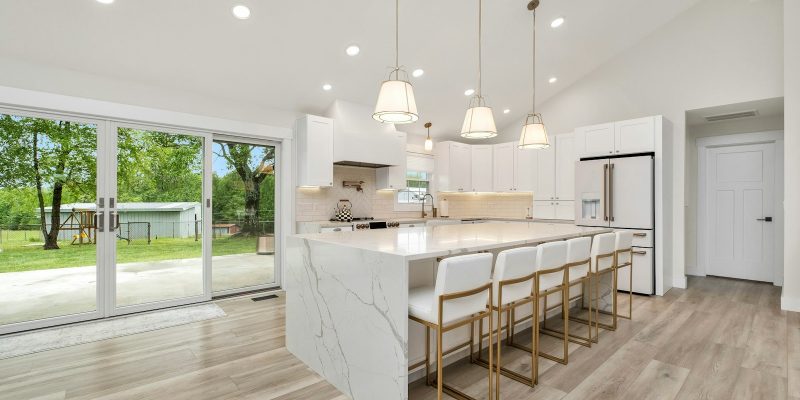
Large modern kitchen with center island and marble countertops after a San Antonio remodel

How Much Does a Kitchen Remodel Cost in San Antonio? 2026 Guide

Of all the questions we hear from San Antonio homeowners, kitchen remodel cost San Antonio comes up more than almost any other. It makes sense: the kitchen is usually the most expensive room in any renovation, and the price range you’ll see online is wide enough to be more confusing than helpful. This guide breaks down realistic kitchen renovation cost by scope and finish level, what actually drives the number up or down, and how to build a kitchen remodel estimate you can trust.

Why Kitchen Remodel Pricing Varies So Much

Kitchen remodeling San Antonio projects range from a simple cosmetic refresh to a full gut renovation with a reconfigured layout, and the price difference between those two ends of the spectrum is enormous. Layout changes, cabinet quality, countertop material, and appliance selection all move the number independently, which is why a single “average kitchen cost” figure rarely matches what you’ll actually pay.

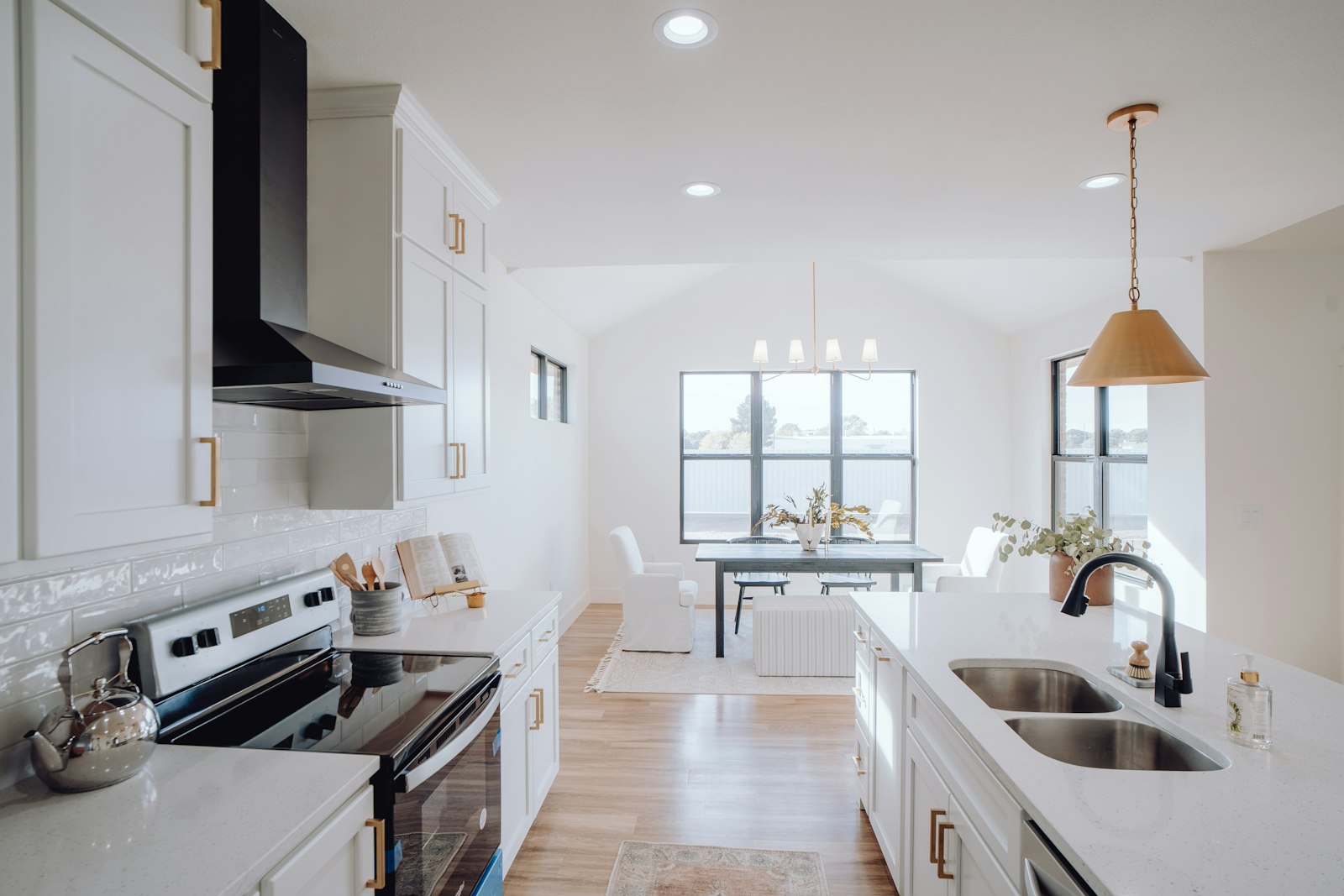
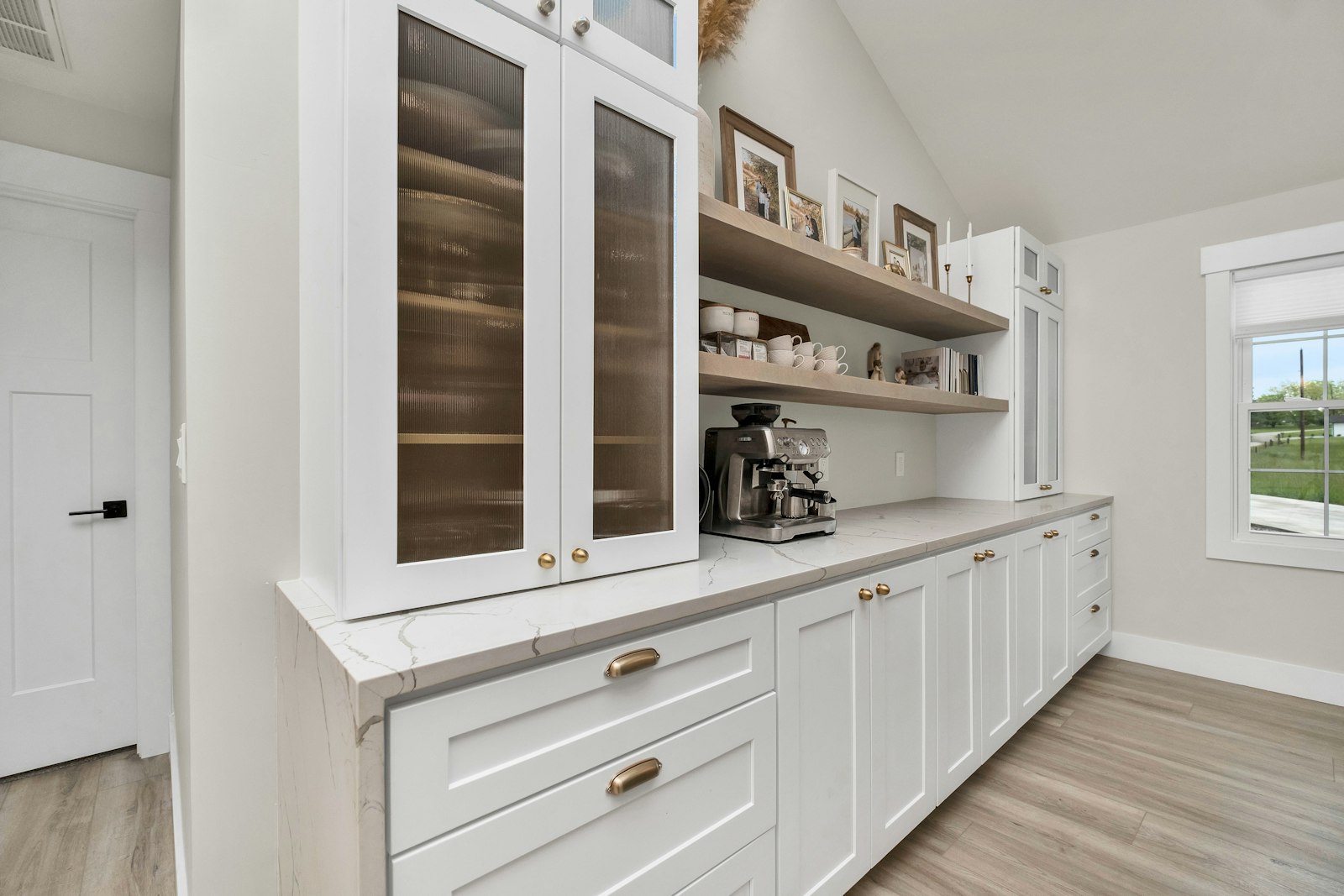
White kitchen cabinets and wood flooring in a San Antonio kitchen remodel

Kitchen Remodel Cost by Project Tier

Cosmetic Refresh

A cosmetic refresh keeps the existing layout, plumbing, and electrical in place and focuses on paint, hardware, a new backsplash, and possibly refaced (rather than replaced) cabinets. This is the most budget-friendly way to meaningfully update a kitchen’s look without touching its structure.

Mid-Range Remodel

A mid-range kitchen remodel typically includes new cabinets, updated countertops, new appliances, and possibly minor layout adjustments like moving a sink or adding an island. This tier represents the most common scope we see across San Antonio homes.

High-End or Full Gut Remodel

A full gut remodel involves reconfiguring the layout, moving plumbing and electrical, custom cabinetry, premium countertop materials, and high-end appliances. This tier delivers the most dramatic transformation but comes with the highest price tag and longest timeline.

What Drives Kitchen Renovation Cost Up or Down

Cabinetry

Cabinets are typically the single largest expense in a kitchen remodel. Stock cabinets cost significantly less than semi-custom, and fully custom cabinetry sits at the top of the range. Refacing existing cabinet boxes rather than replacing them entirely can meaningfully reduce cost while still delivering a fresh look.

Countertops

Laminate remains the most affordable countertop option, while quartz and granite sit in the mid-to-upper range, and natural stone slabs like marble represent the premium tier. Countertop choice alone can shift a kitchen budget substantially without changing anything else about the design.

Layout Changes

Keeping your existing layout (sink, stove, and refrigerator in their current locations) keeps plumbing and electrical costs down. Moving any of these fixtures means rerouting lines, which adds both cost and time to the project.

Appliances

Appliance packages range from budget-friendly stainless steel basics to professional-grade ranges and built-in refrigeration, and this line item can vary as much as any other in the entire project.

Flooring

Kitchen flooring should handle spills and heavy foot traffic well. Tile and luxury vinyl plank are common, cost-effective choices, while hardwood adds a premium look at a higher price point, as covered in our flooring trends guide.

Kitchen Remodel Estimate: What a Contractor Should Assess

A reliable kitchen remodel estimate comes from an in-person walkthrough where a contractor evaluates:

  • The condition of existing plumbing and electrical behind the walls.
  • Whether any structural changes (like removing a wall for an open-concept layout) are involved.
  • Your specific cabinet, countertop, and appliance preferences.
  • Realistic timeline expectations based on the full scope of work.

For a deeper look at pricing tiers from affordable to luxury, see our complete kitchen remodeling guide. And if your kitchen project is part of a larger renovation, our whole-home renovation cost guide shows how it fits into a bigger budget.

How Long Does a Kitchen Remodel Take?

A cosmetic refresh can often be completed in one to two weeks. A mid-range remodel with new cabinets and countertops typically takes four to six weeks. A full gut renovation with layout changes and custom finishes can take eight to twelve weeks or more, depending on the complexity of structural and mechanical work involved.

Ways to Manage Your Kitchen Remodel Budget

  • Keep your existing layout if the current one works reasonably well, to avoid the added cost of moving plumbing and electrical.
  • Reface instead of replace cabinet boxes that are still structurally sound but visually dated.
  • Choose one splurge item, like a statement countertop or a professional-grade range, while keeping other selections mid-range.
  • Get a detailed, itemized quote rather than a lump-sum number, so you can see exactly where your budget is going.

Common Kitchen Remodel Cost Mistakes

  • Underestimating cabinet lead times. Custom and semi-custom cabinets can take several weeks to manufacture, which affects your overall project timeline and can create costly delays if not planned for.
  • Skipping a contingency fund. Kitchens in older San Antonio homes often reveal outdated wiring or plumbing once walls are opened.
  • Choosing appliances before finalizing cabinet dimensions. Appliance sizing needs to be locked in early so cabinetry can be built to fit correctly.
  • Comparing quotes with different scopes. A lower bid that excludes electrical upgrades or demolition isn’t actually a lower price, it’s a different (and incomplete) scope.

Frequently Asked Questions

How much does a kitchen remodel cost in San Antonio?

Cost varies significantly based on scope, from a cosmetic refresh to a full gut renovation, and on material and appliance selections. An in-person walkthrough is the only reliable way to get an accurate number for your specific kitchen.

What is the most expensive part of a kitchen remodel?

Cabinetry is typically the single largest expense, followed closely by countertops and appliances, depending on the materials and brands selected.

Is cabinet refacing cheaper than full replacement?

Yes, refacing existing cabinet boxes with new doors, drawer fronts, and hardware costs significantly less than replacing the entire cabinet system, provided the existing boxes are still structurally sound.

How can I lower my kitchen remodel cost without sacrificing quality?

Keeping your existing layout, choosing quartz or laminate over premium natural stone, and refacing rather than replacing sound cabinetry are some of the most effective ways to reduce cost while still achieving a meaningful upgrade.

How long does it take to get an accurate kitchen remodel quote?

Most contractors can provide a detailed estimate within a few days to a week after an in-person walkthrough, depending on how quickly material and finish selections are finalized.

Get an Accurate Kitchen Remodel Estimate

Every kitchen and every budget is different, and the only way to get a number you can plan around is a walkthrough with someone who can see your space, your existing systems, and your style preferences firsthand. The SATX Remodeling team offers free, honest kitchen remodel consultations across San Antonio. Reach out today to get started.
Calculator and paperwork used for budgeting a home remodel cost estimate in San Antonio

How Much Does a Home Remodel Cost in San Antonio in 2026?

If you’ve started researching a renovation, you’ve probably noticed that home remodeling cost San Antonio searches turn up a wide range of numbers, and none of them quite match your house. That’s because remodel pricing depends on dozens of variables specific to your home: its age, size, condition, and how far your finish choices lean toward builder-grade or custom. This guide breaks down realistic home renovation cost San Antonio ranges by project type, the factors that move those numbers up or down, and how to build a home remodel estimate you can actually trust.

Why “Average Cost” Numbers Don’t Tell the Full Story

National remodeling cost calculators are built from data across every region in the country, from small-town Midwest labor rates to coastal California pricing. Remodeling cost San Antonio TX homeowners actually pay reflects local labor rates, material availability, permitting requirements, and the specific quirks of Bexar County homes, including expansive clay soil that affects foundation and structural work. A number pulled from a national average is a starting point at best, not a number you should build a budget around.

Home Remodeling Cost in San Antonio by Project Type

While every home is different, here’s how house renovation cost generally breaks down by project, from smaller cosmetic updates to full-scale renovations.

Kitchen Remodeling

Kitchens are typically the single largest line item in any whole-home renovation because they combine cabinetry, countertops, appliances, plumbing, and electrical work in one room. A cosmetic refresh (paint, hardware, countertops) costs far less than a full gut renovation with reconfigured layout, custom cabinetry, and high-end appliances. Our kitchen remodeling guide breaks down pricing tiers from affordable to luxury in more detail.

Bathroom Remodeling

Bathrooms cost less per room than kitchens but add up quickly across multiple bathrooms in the same project. A simple vanity, fixture, and paint update sits at the low end, while a full gut renovation with new tile, a curbless shower, and repositioned plumbing sits at the high end. See our post on why hiring a professional bathroom remodeling company saves money for more on where that investment actually goes.

Whole-Home Renovation

A whole-home renovation combines kitchen, bathrooms, flooring, and often electrical or plumbing system updates into a single coordinated project. Pricing scales heavily with square footage and how much of the work involves opening walls versus purely cosmetic updates. Our whole-home renovation cost guide walks through this in detail, category by category.

Home Additions

Adding square footage, whether a bump-out, a full room addition, or a second story, costs more than an equivalent-sized interior remodel because it requires new foundation work, framing, and a roofline tie-in. Compare this against the cost of moving in our home additions vs. moving guide.

Flooring

Whole-home flooring replacement scales directly with square footage and material. Tile and luxury vinyl plank generally cost less than hardwood, though each has trade-offs worth understanding, covered in our flooring trends guide.

Roofing

While not technically an interior remodel, roof replacement is often bundled into larger renovation budgets, especially for older homes. Material choice (asphalt shingle vs. metal) significantly affects both upfront cost and long-term value, as covered in our guide to metal roofing benefits for San Antonio’s climate.

Bright open-concept kitchen after a San Antonio home remodel

What Actually Drives Home Renovation Cost in San Antonio

Home Size and Project Scope

The most obvious cost driver is simply how much square footage is involved and how many rooms are part of the project. A single bathroom refresh and a whole-home renovation sit at opposite ends of the pricing spectrum for exactly this reason.

Age and Condition of the Home

Older San Antonio homes often carry hidden costs that don’t show up until walls are opened: outdated wiring, aging plumbing, or foundation issues related to the region’s expansive clay soil. If your home is showing multiple signs it’s overdue for a renovation, budget for some of these behind-the-walls costs even if they weren’t part of your original plan.

Material and Finish Level

Builder-grade materials, semi-custom, and fully custom finishes represent three distinct pricing tiers within the same project type. Countertop material alone (laminate vs. quartz vs. natural stone) can shift a kitchen budget substantially without changing the layout at all.

Labor Availability and Timing

Labor costs in San Antonio fluctuate somewhat with contractor demand and seasonality. Scheduling flexibility, avoiding the busiest spring and early summer renovation season, can sometimes work in a homeowner’s favor on pricing and availability.

Structural and Systems Work

Electrical panel upgrades, repiping, and foundation repair aren’t glamorous, but they’re often necessary in older homes and can represent a meaningful share of an overall renovation budget, especially when they weren’t anticipated at the start.

How to Get an Accurate Home Remodel Estimate

A trustworthy home remodel estimate comes from an in-person walkthrough, not a phone quote or an online calculator. During a proper walkthrough, a contractor should assess:

  • The condition of existing electrical, plumbing, and structural elements.
  • Your specific material and finish preferences, not generic allowances.
  • Any layout changes and what they mean for permitting.
  • Realistic timeline expectations based on the full scope, not just the visible finish work.

Our renovation process guide walks through exactly how this works from first consultation to final walkthrough, so you know what to expect before you commit to a project.

Ways to Manage Your Home Remodeling Budget

  • Prioritize systems first. Electrical, plumbing, and structural issues only get more expensive to address after finishes are installed over them.
  • Choose one or two “splurge” items. Rather than upgrading every material to the highest tier, most homeowners get better results allocating extra budget to a few high-visibility choices, like countertops or a statement tile, while keeping other selections mid-range.
  • Build in a contingency fund. A 10-15% buffer for surprises, especially in older homes, should be part of every renovation budget from the start.
  • Get scope-matched bids. Comparing quotes only works when every contractor is bidding the same defined scope and material list; otherwise you’re comparing apples to oranges.

Financing a Home Remodel in San Antonio

Homeowners typically fund renovations through a mix of cash savings, home equity loans or lines of credit (HELOCs), cash-out refinancing, or dedicated renovation loan products. Each comes with different qualification requirements and repayment structures, so it’s worth discussing options with a lender before finalizing a project scope, particularly for larger whole-home renovations or additions.

Common Cost Mistakes San Antonio Homeowners Make

  • Choosing the lowest bid without checking scope. A dramatically lower bid often means lower-grade materials, unlicensed subcontractors, or missing line items that show up later as change orders. Our guide on choosing the best remodeling company in San Antonio covers how to evaluate bids properly.
  • Skipping the contingency fund. Especially in older homes, unexpected issues behind walls are common enough that a buffer isn’t optional.
  • Changing selections mid-project. Custom orders and change orders after materials are already purchased are one of the most common sources of both delay and added cost.
  • Underestimating permit timelines. Larger scopes of work require more inspections, which affects your overall project schedule and, indirectly, your budget if you’re paying for temporary housing or storage.

Frequently Asked Questions

How much does it cost to remodel a house in San Antonio?

Cost depends heavily on square footage, the home’s age and condition, and how much of the project involves structural or systems work versus purely cosmetic updates. An in-person walkthrough is the only reliable way to get an accurate number for your specific home.

What is the most expensive part of a home remodel?

Kitchens are typically the single largest line item in a whole-home renovation, followed by bathrooms, due to the combination of cabinetry, countertops, appliances, plumbing, and electrical work involved in both spaces.

Is it cheaper to remodel in phases or all at once?

Completing a renovation in one continuous project is often more cost-efficient due to shared labor, permitting, and material delivery, but phasing over time can make sense if your budget requires it.

How do I get an accurate remodeling estimate?

An accurate estimate requires an in-person walkthrough where a contractor can assess your home’s existing systems, discuss your specific material preferences, and identify any structural or layout considerations, rather than relying on a generic online calculator or phone quote.

Does home renovation cost in San Antonio differ from other Texas cities?

Labor and material costs vary by region, and San Antonio’s pricing reflects local market conditions, contractor availability, and the specific challenges of the area’s soil and climate, which can differ from renovation costs in Austin, Houston, or Dallas.

What’s a reasonable contingency budget for a remodel?

Most contractors recommend setting aside 10-15% of your total project budget as a contingency fund for unexpected issues, particularly in homes over 20 years old where behind-the-walls surprises are more common.

Get an Accurate Estimate for Your San Antonio Remodel

Every home is different, and the only way to get a number you can actually plan around is a walkthrough with someone who can see your home’s real condition, layout, and systems. The SATX Remodeling team offers free, honest consultations and estimates for kitchen, bathroom, whole-home, and addition projects across San Antonio. Reach out today to get started.
Freshly painted blue exterior wall on a San Antonio home

Exterior Paint & Curb Appeal Refresh Guide for San Antonio Homes

Exterior paint and a handful of curb appeal updates deliver one of the best returns of any home improvement project, both in resale value and in how much you enjoy coming home every day. This guide covers paint selection for San Antonio’s climate, the curb appeal updates that make the biggest visual impact, and how to plan the project so it lasts.

Freshly painted blue exterior wall on a San Antonio home

Why Curb Appeal Matters More Than People Expect

A home’s exterior is the first thing potential buyers, guests, and even the homeowners themselves see every day. Beyond the emotional impact, curb appeal updates like fresh paint, updated hardware, and clean landscaping are consistently cited by San Antonio real estate agents as some of the most cost-effective ways to increase a home’s perceived value before selling.

Choosing Exterior Paint for San Antonio’s Climate

Heat and UV Resistance

San Antonio’s intense summer sun causes standard paint to fade and chalk faster than in milder climates. Higher-quality acrylic latex paints with UV-resistant formulations hold their color and finish significantly longer under constant sun exposure.

Color Choices That Handle Heat

Lighter colors reflect more heat and can help reduce surface temperature on siding and stucco, which matters both for material longevity and for keeping the home slightly cooler. Darker colors look striking but absorb more heat and may show fading and wear faster in direct sun exposure.

Finish Types

Satin and eggshell finishes are popular for exterior siding because they resist dirt and mildew better than flat finishes while avoiding the glare of high-gloss options. Trim and doors often use semi-gloss for a cleaner, more defined look that also holds up well to touch and weather.

Preparing for an Exterior Paint Job

Surface Preparation

Proper prep, pressure washing, scraping loose or peeling paint, and repairing damaged siding or stucco, matters more for how long a paint job lasts than the paint brand itself. Skipping prep is the most common reason exterior paint fails early.

Timing Around Weather

Exterior painting in San Antonio is best scheduled during milder spring or fall weeks, avoiding both summer’s extreme heat (which can cause paint to dry too quickly and affect adhesion) and periods of heavy spring rain.

High-Impact Curb Appeal Updates Beyond Paint

Front Door Refresh

A bold, well-maintained front door color paired with updated hardware is one of the most affordable ways to make a strong first impression, even without a full exterior repaint.

House Numbers and Exterior Lighting

Modern house numbers and updated exterior light fixtures are small details that make a noticeable difference in how put-together a home’s exterior feels.

Landscaping and Lawn Care

Well-maintained landscaping, trimmed hedges, mulched beds, and a healthy lawn, does as much for curb appeal as paint color, and often at a much lower cost.

Driveway and Walkway Condition

Cracked or stained concrete driveways and walkways stand out visually even when the rest of the exterior looks great. Pressure washing, resurfacing, or replacing damaged sections closes that gap.

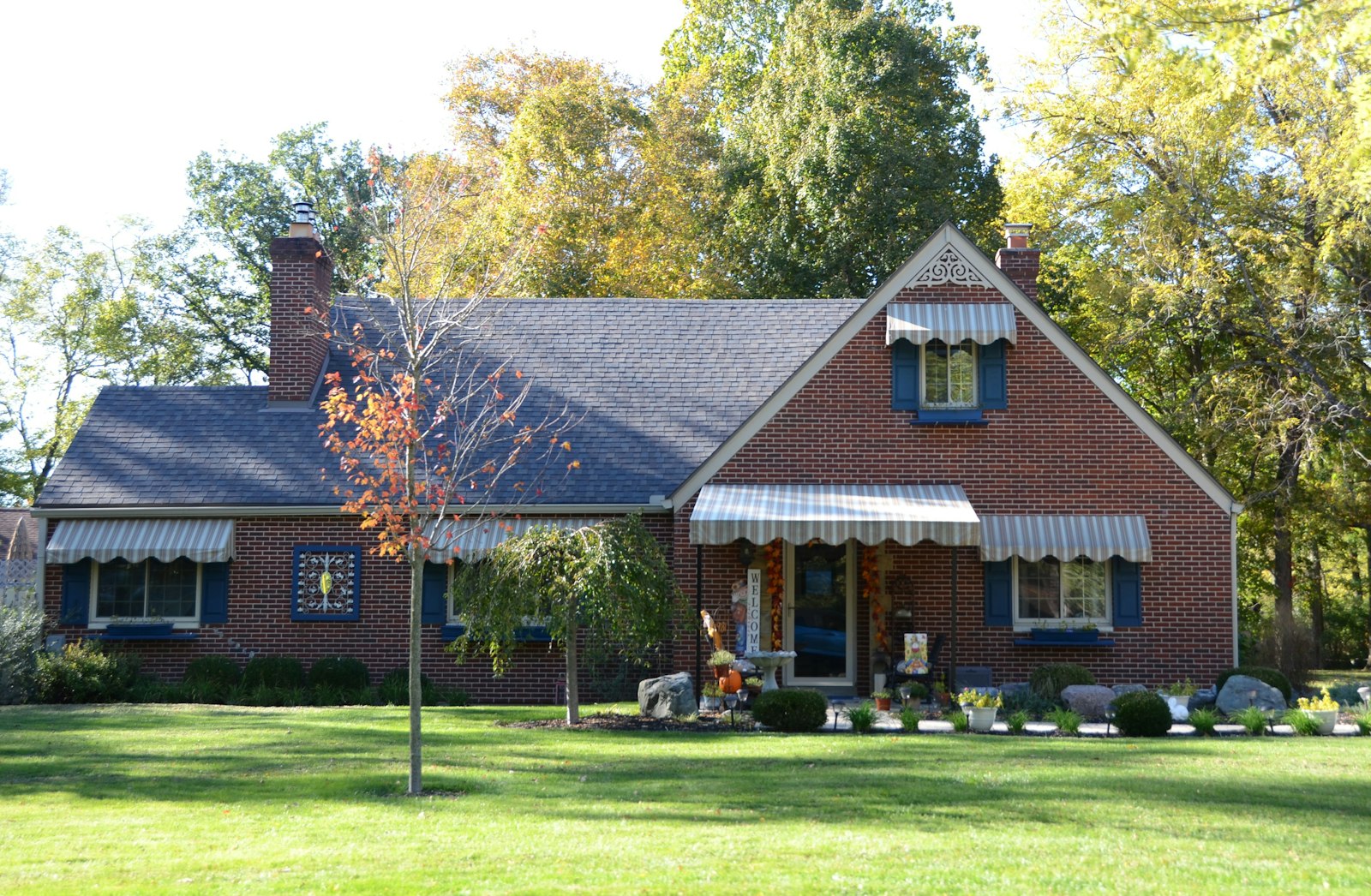
Well-maintained brick home exterior with green lawn in San Antonio

Coordinating Paint With Other Exterior Updates

If you’re already planning siding, window, or roofing work, it makes sense to time an exterior paint refresh alongside those projects rather than as a separate effort, since color and material choices should complement each other. See our siding and window replacement guide for more on how these updates work together.

How Often Should You Repaint?

Given San Antonio’s intense sun exposure, most exterior paint jobs on stucco or siding hold up well for roughly seven to ten years with quality paint and proper prep, though sun-facing walls may show wear sooner than shaded sides of the home.

Cost of Exterior Paint and Curb Appeal Updates

  • Front door and hardware refresh: the most affordable, highest-impact update for the cost.
  • Landscaping and lawn cleanup: a moderate investment that pairs well with any other exterior project.
  • Full exterior repaint (siding and trim): the largest single investment on this list, but typically the most transformative for a dated-looking home.
  • Driveway and walkway resurfacing: pricing depends on square footage and extent of existing damage.

Common Mistakes to Avoid

  • Skipping proper surface prep. Paint applied over dirty, peeling, or damaged surfaces fails far sooner than properly prepped surfaces.
  • Choosing paint quality based on price alone. Lower-grade exterior paint fades and chalks faster under San Antonio’s intense sun, requiring more frequent repainting.
  • Ignoring HOA color restrictions. Many San Antonio neighborhoods have HOA guidelines on approved exterior colors; check before committing to a palette.
  • Focusing only on paint and ignoring landscaping. A beautifully painted house surrounded by an overgrown or bare yard doesn’t achieve the full curb appeal effect.

Frequently Asked Questions

What exterior paint colors hold up best in San Antonio’s heat?

Lighter colors generally reflect more heat and show less fading over time compared to darker shades, which absorb more heat and UV exposure. High-quality UV-resistant acrylic latex paint performs well regardless of color choice.

How long does exterior paint last in San Antonio?

With quality paint and proper surface preparation, exterior paint typically lasts seven to ten years, though sun-exposed walls may need attention sooner than shaded sides of the home.

What’s the most cost-effective curb appeal update?

A front door refresh combined with basic landscaping cleanup delivers a strong visual impact for a relatively low cost, making it a great starting point before committing to a full exterior repaint.

Do I need a permit to repaint my home’s exterior?

Standard repainting typically doesn’t require a permit, though homes in historic districts may have restrictions on approved colors, and HOA neighborhoods often require color approval before painting.

Should I paint before or after other exterior renovations?

If you’re planning siding, window, or roofing replacement, it’s generally best to complete those projects first and paint afterward, so the new materials and paint colors are coordinated as one cohesive look.

Ready to Refresh Your Home’s Exterior?

Whether you’re planning a full repaint or just a handful of high-impact curb appeal updates, the SATX Remodeling team can help you choose colors and materials suited to San Antonio’s climate. Reach out to schedule a free consultation.

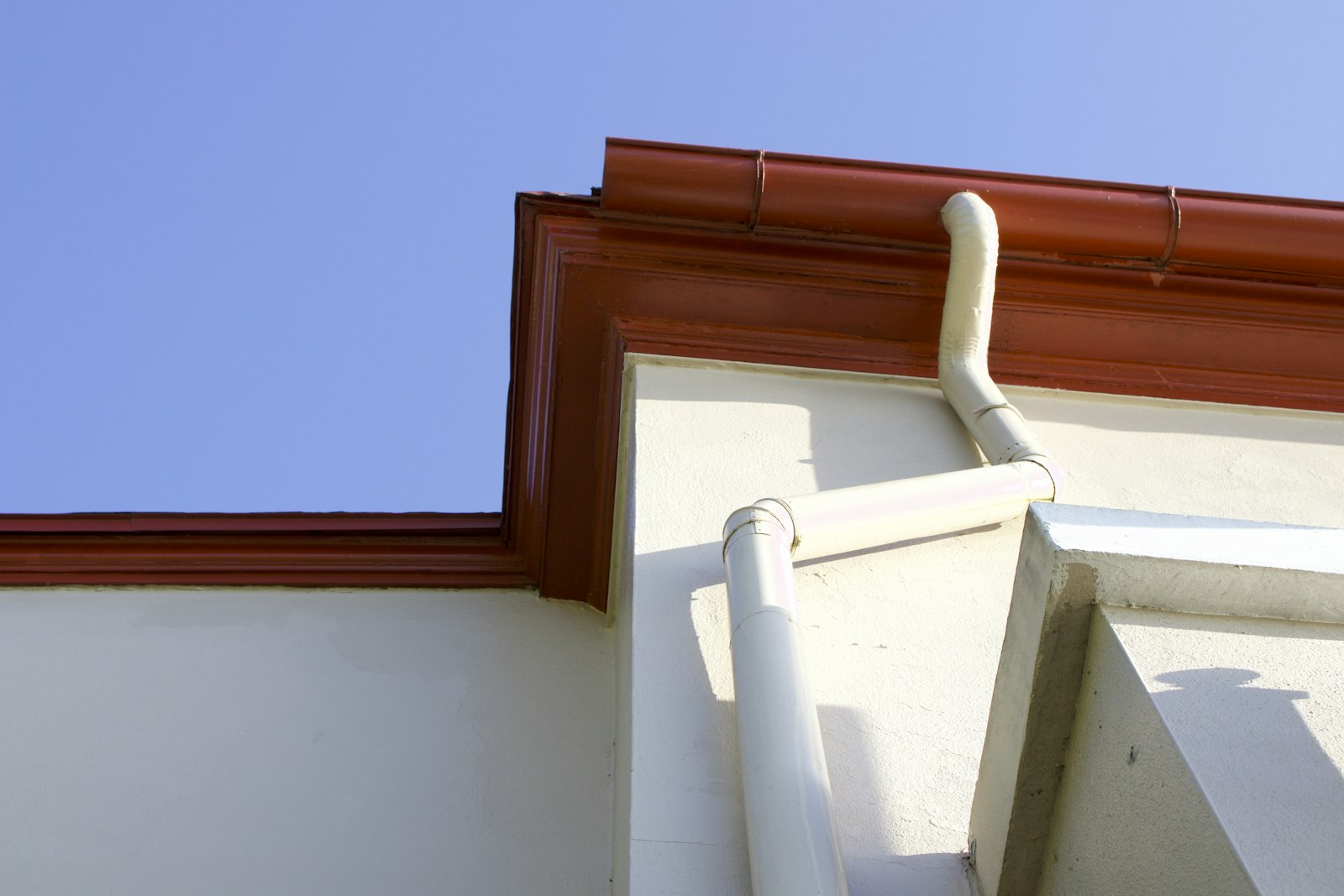
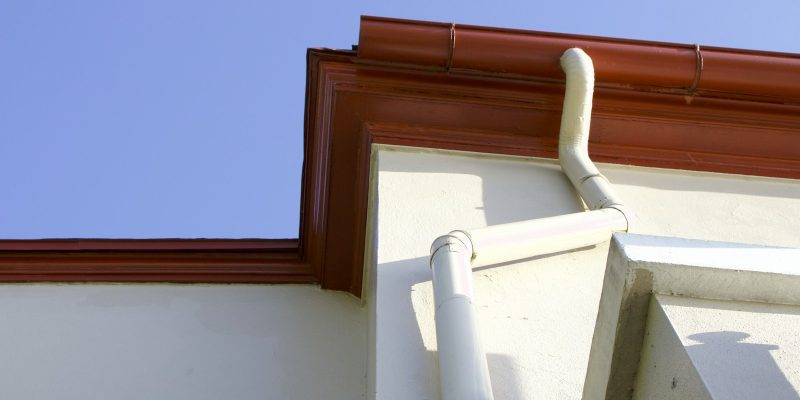
Home gutter and drainage system on a San Antonio house

Foundation & Drainage Fixes Before You Remodel in San Antonio

San Antonio sits on expansive clay soil that swells when wet and shrinks when dry, which makes foundation movement one of the most common, and most misunderstood, issues local homeowners face. Before starting any remodel, it’s worth understanding what’s actually happening beneath your home and how drainage plays a bigger role in foundation health than most people realize.

Home gutter and drainage system on a San Antonio house

Why San Antonio Homes Are Prone to Foundation Movement

The clay soils common throughout Bexar County expand significantly when they absorb water and contract when they dry out. This constant swelling and shrinking puts uneven pressure on a home’s foundation over time, especially during San Antonio’s swings between heavy spring rains and long, dry summer stretches. Homes built decades ago, before more advanced foundation engineering became standard, are particularly susceptible.

Signs of Foundation Problems

  • Cracks in interior drywall, especially diagonal cracks above doorways and windows.
  • Doors and windows that stick or no longer close properly.
  • Visible cracks in the exterior foundation, brick, or stucco.
  • Uneven or sloping floors.
  • Gaps between walls and ceilings or baseboards.

If you’re noticing several of these signs, it’s worth reading our broader post on the 17 signs your San Antonio home is overdue for a renovation, since foundation issues often show up alongside other maintenance needs.

How Drainage Affects Foundation Health

The Connection Between Water and Soil Movement

Most foundation problems aren’t caused by the foundation itself, they’re caused by water management around it. When gutters overflow, downspouts empty too close to the house, or grading slopes toward the foundation instead of away from it, water saturates the soil unevenly, accelerating the expansion and contraction that stresses the foundation.

Common Drainage Problems

  • Clogged or undersized gutters that overflow directly next to the foundation during heavy rain.
  • Downspouts that discharge too close to the house, saturating the soil right where you don’t want extra moisture.
  • Poor grading, where the ground slopes toward the house instead of away from it.
  • Missing or damaged French drains in yards with naturally poor drainage or low-lying areas.

Foundation Repair Methods

Pier and Beam Leveling

For homes with noticeable settling, piers (steel push piers or helical piers) can be installed beneath the foundation to stabilize and, in some cases, lift the structure back closer to level.

Slab Foundation Repair

Concrete slab foundations experiencing cracking or unevenness are often addressed with similar piering systems installed around the perimeter or at specific problem points identified during a structural assessment.

Crack Injection and Sealing

For minor, stable cracks that aren’t actively worsening, epoxy or polyurethane injection can seal the crack and prevent water intrusion without the cost of a full piering system.

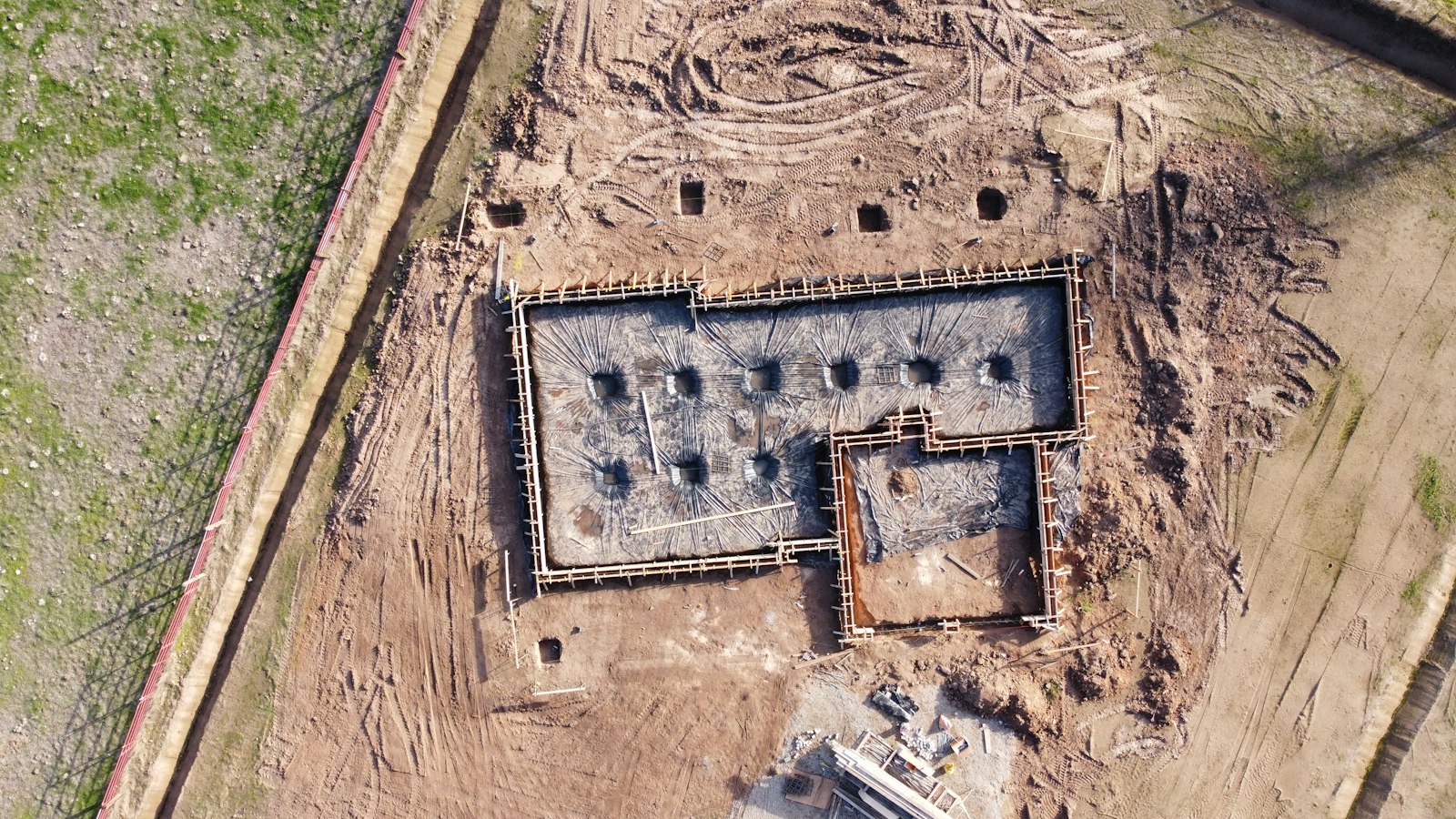
Aerial view of a concrete foundation slab for a San Antonio home

Drainage Solutions to Prevent Future Problems

Gutter and Downspout Upgrades

Properly sized gutters, kept clear of debris, combined with downspout extensions that carry water at least several feet away from the foundation, address one of the most common and most fixable causes of foundation stress.

Grading Correction

Regrading the soil around a home’s perimeter so it slopes away from the foundation helps prevent water from pooling against the structure during heavy rain.

French Drains

For yards with persistent drainage issues, a French drain system can redirect groundwater away from the foundation and toward a more appropriate discharge point.

Root Barriers

Large trees planted too close to a home can worsen soil moisture imbalances as their roots draw water unevenly from the soil near the foundation. Root barriers can help manage this without requiring tree removal.

Why Foundation and Drainage Work Should Happen Before a Remodel

Addressing foundation and drainage issues before a kitchen, bathroom, or flooring remodel prevents new finishes from being damaged by ongoing settlement or water intrusion. It’s far more cost-effective to stabilize a foundation and correct drainage before installing new tile, cabinetry, or flooring than to repair a foundation issue that cracks freshly finished work.

Cost of Foundation and Drainage Repairs in San Antonio

  • Gutter and downspout upgrades: the most affordable preventive measure, often addressing the root cause of ongoing moisture issues.
  • Grading correction: a moderate investment that can significantly reduce water pooling near the foundation.
  • French drain installation: mid-range pricing depending on yard size and drainage complexity.
  • Crack injection repair: relatively affordable for minor, stable cracks.
  • Pier and beam or slab foundation repair: the highest-tier investment, scaling with the number of piers needed and the extent of settlement.

Because foundation issues vary so much in cause and severity, an accurate assessment requires an in-person evaluation, ideally from a structural engineer or foundation specialist before major repair work begins.

Common Mistakes to Avoid

  • Ignoring small cracks. What looks minor today can indicate ongoing movement that worsens over time if the underlying cause isn’t addressed.
  • Fixing the crack without fixing the drainage. Repairing a foundation crack without correcting the water management issue that caused it often means the problem returns.
  • Overwatering or underwatering foundation soil. Some homeowners use soaker hoses around the foundation during dry spells to reduce soil shrinkage, but this needs to be done carefully and consistently to avoid overcorrection.
  • Remodeling before addressing structural issues. New flooring or finishes installed over an unstable foundation risk being damaged by continued settlement.

Frequently Asked Questions

How do I know if my foundation issue is serious?

Hairline cracks that aren’t growing are often cosmetic, while cracks that widen over time, doors and windows that increasingly stick, or visibly sloping floors suggest active movement that warrants a professional structural assessment.

Can drainage problems really affect my foundation?

Yes. Poor drainage is one of the most common underlying causes of foundation movement in San Antonio, since uneven soil moisture from water pooling near the foundation accelerates the expansion and contraction of expansive clay soils.

Should I fix drainage or the foundation first?

In most cases, addressing drainage issues alongside or before foundation repair gives the best long-term results, since fixing the foundation without correcting the water source that caused the problem often leads to recurring issues.

How much does foundation repair cost in San Antonio?

Cost depends heavily on the extent of settlement, the number of piers needed, and whether drainage corrections are included. A professional assessment is the only reliable way to get an accurate estimate for your specific situation.

Can I remodel my home if I have foundation issues?

It’s generally recommended to address foundation and drainage issues before major remodeling work, since new flooring, tile, and finishes installed over an unstable foundation are at risk of being damaged by continued movement.

Concerned About Your Foundation or Drainage?

Before starting your next remodel, it’s worth having your foundation and drainage assessed, especially if you’ve noticed any warning signs. The SATX Remodeling team can help identify issues early and connect you with the right solution before new finishes go in. Reach out to schedule a free consultation.

Historic brick home exterior with original architectural details in San Antonio

Historic Home Renovation in San Antonio: What to Know Before You Start

San Antonio is home to some of the oldest, most architecturally distinct neighborhoods in Texas, from King William to Monte Vista to Government Hill. Renovating a historic home here comes with real rewards, character, craftsmanship, and a piece of the city’s story, but also real constraints around preservation guidelines, materials, and structural quirks. This guide covers what to expect before starting a historic renovation.

What Makes Historic Home Renovation Different

Unlike a standard remodel, renovating a historic home means balancing modern function with preservation of original character, sometimes within legal historic district guidelines, and always with an eye toward materials and construction methods that may not match anything built in the last 50 years.

Historic Districts and Preservation Requirements in San Antonio

Historic District Overlays

Neighborhoods like King William, Monte Vista, and Tobin Hill fall under local historic district designations that regulate exterior changes, including window replacement, siding, roofing materials, and additions visible from the street. Projects in these areas typically require review by the city’s Historic and Design Review Commission (HDRC) before permits are issued.

What Requires Review vs. What Doesn’t

Interior renovations generally don’t require historic review, but exterior changes, additions, and anything altering the home’s visible character from the street usually do. Confirming this early prevents costly redesigns after work has already started.

Common Challenges in Historic San Antonio Homes

Outdated Electrical Systems

Many historic homes still have knob-and-tube or early aluminum wiring that doesn’t meet current code and can pose a genuine fire risk. A full rewire is often one of the first priorities in a historic renovation, even if it’s not the most visually exciting part of the project.

Plumbing

Old galvanized or cast iron plumbing is prone to corrosion and reduced water flow over time. Repiping is a common, if unglamorous, early step in restoring a historic home to full function.

Foundation Issues

Older San Antonio homes were often built with pier-and-beam foundations rather than modern slabs, and decades of settling combined with the region’s expansive clay soil can lead to more noticeable foundation movement than in newer construction.

Original Windows

Original wood windows are often a defining architectural feature, but they can be drafty and inefficient. Many historic districts require restoration rather than replacement, which means repairing sashes, re-glazing, and adding storm windows rather than swapping in modern vinyl units.

Lead Paint and Asbestos

Homes built before 1978 may contain lead-based paint, and certain building materials from that era can contain asbestos. Both require proper testing and, if present, professional abatement before renovation work begins.

Restoring vs. Renovating: Finding the Right Balance

What to Preserve

Original millwork, hardwood floors, staircases, and decorative trim are often the most valuable, hardest-to-replicate features of a historic home. These are usually worth restoring rather than replacing, even when it costs more than a modern equivalent.

Where Modern Updates Make Sense

Kitchens, bathrooms, and mechanical systems are the areas where most historic home renovations lean modern, since these rooms benefit the most from updated function without necessarily compromising the home’s historic character, especially when finishes are chosen thoughtfully.

Working with a Contractor Experienced in Historic Renovation

Not every contractor is equipped to navigate historic district review, source period-appropriate materials, or safely handle old electrical, plumbing, and hazardous materials issues. When evaluating contractors for a historic project, the same due diligence outlined in our guide to choosing the best remodeling company in San Antonio applies, with extra attention to historic renovation experience specifically.

Cost of Historic Home Renovation in San Antonio

  • Systems updates (electrical rewire, repiping): often the least visually exciting but highest-priority investment, since these address safety issues behind the walls.
  • Kitchen and bathroom modernization: pricing similar to a standard remodel of comparable scope, detailed in our kitchen remodeling guide, though historic homes sometimes require custom solutions for irregular room dimensions.
  • Window restoration: typically costs more per window than standard replacement, given the specialized labor involved, but preserves the home’s original character and may be required in historic districts.
  • Full historic restoration: the highest-tier investment, especially when combined with structural or foundation work, but often the most rewarding in terms of preserving the home’s value and character.

Common Mistakes in Historic Renovations

  • Skipping the HDRC review process. Unapproved exterior changes in a historic district can result in fines or a requirement to undo the work.
  • Assuming all old materials need replacement. Original wood windows, trim, and flooring can often be restored rather than replaced, preserving both character and value.
  • Ignoring hazardous materials testing. Skipping lead paint or asbestos testing on pre-1978 homes can create serious health and legal exposure during renovation.
  • Hiring a contractor without historic experience. Historic renovation requires familiarity with period construction methods and materials that not every general contractor has.

Frequently Asked Questions

Do I need approval to renovate a historic home in San Antonio?

If your home is in a designated historic district, exterior changes typically require review by the city’s Historic and Design Review Commission before permits are issued. Interior work generally doesn’t require this review.

Can I replace original windows in a historic home?

Many historic districts require restoration of original windows rather than replacement, since windows are often considered a key character-defining feature. Restoration combined with storm windows can significantly improve efficiency while preserving the original look.

How do I know if my home has lead paint or asbestos?

Homes built before 1978 should be professionally tested before renovation work disturbs painted surfaces or certain building materials, since both lead paint and asbestos require specific safety protocols if present.

Is it more expensive to renovate a historic home than a newer one?

Historic renovations often cost more due to specialized labor, materials sourcing, and potential preservation requirements, but many homeowners find the investment worthwhile for the character and craftsmanship that can’t be replicated in new construction.

What should I prioritize first in a historic home renovation?

Electrical, plumbing, and structural issues should generally be addressed first, since these affect safety and can complicate cosmetic work done before they’re resolved.

Ready to Renovate Your Historic San Antonio Home?

Historic renovation requires a contractor who understands both the technical challenges of older construction and the preservation guidelines specific to San Antonio’s historic districts. The SATX Remodeling team can walk your property and help you plan a renovation that respects the home’s character. Reach out to schedule a free consultation.

Smart thermostat installed during a San Antonio home remodel

Smart Home Upgrades to Add During a San Antonio Remodel

A remodel is the easiest time to add smart home technology, since walls are already open and electricians are already on site. This guide covers the smart home upgrades that deliver real value for San Antonio homeowners, from energy savings during brutal summer heat to security features that give peace of mind while you’re away.

Why Remodel Time Is the Right Time for Smart Home Upgrades

Adding smart switches, in-wall wiring for speakers, or a smart thermostat after the fact often means cutting into finished walls or settling for battery-powered workarounds. During a remodel, when walls are open and an electrician is already running new circuits, adding low-voltage wiring, additional outlets, or pre-wiring for future upgrades costs a fraction of what it would to retrofit later.

High-Value Smart Home Upgrades for San Antonio Homes

Smart Thermostats

Given San Antonio’s long, hot cooling season, a smart thermostat that learns your schedule and adjusts automatically can meaningfully reduce energy bills. Many models also provide usage reports that help identify when HVAC systems are working harder than they should, sometimes flagging a maintenance issue before it becomes a bigger repair.

Smart Lighting

Smart switches and dimmers allow for scheduled lighting, remote control while away, and energy savings from automatic shutoff in unused rooms. Unlike smart bulbs, in-wall smart switches keep the ability to use standard light fixtures and don’t require replacing bulbs to add functionality.

Smart Locks and Video Doorbells

Smart locks provide keyless entry and the ability to grant temporary access remotely, useful for pet sitters, contractors, or family visiting while you’re away. Paired with a video doorbell, homeowners get a real-time view of who’s at the door from anywhere.

Leak Detection Sensors

Water leak sensors placed near water heaters, washing machines, and under sinks can alert homeowners to a leak before it causes significant damage, an especially valuable addition during a kitchen or bathroom remodel when plumbing lines are already exposed.

Smart Irrigation Controllers

Given San Antonio’s periodic water restrictions and hot, dry stretches, a smart irrigation controller that adjusts watering based on weather data can help keep landscaping healthy while reducing water waste.

Planning Smart Home Wiring During a Remodel

Low-Voltage Wiring

Running structured wiring for speakers, cameras, and network access points during a remodel, even if you don’t install the devices right away, makes future upgrades far simpler than adding wiring after walls are finished.

Whole-Home Wi-Fi Coverage

Smart home devices depend on reliable Wi-Fi coverage throughout the house. If your remodel includes any layout changes or an addition, it’s worth planning for a mesh Wi-Fi system or additional access point wiring rather than relying on a single router to cover a larger footprint.

Centralizing Control

Choosing devices that work within a single ecosystem (matching hub or app platform) makes day-to-day use simpler than juggling multiple apps for lighting, locks, and thermostats separately.

Smart Home Upgrades Worth Adding to a Kitchen or Bathroom Remodel

  • Kitchen: smart faucets with voice or touch activation, under-cabinet lighting on smart switches, and leak sensors near the dishwasher and sink. See our kitchen remodeling guide for how these fit into a broader kitchen project.
  • Bathroom: smart exhaust fans with humidity sensors (which also help with the bathroom ventilation issues we cover in a related post), heated floor controls, and leak sensors near the toilet and vanity.

Cost of Smart Home Upgrades

  • Basic upgrades (smart thermostat, a few smart switches, one leak sensor): the most affordable entry point, often added to an existing remodel budget with minimal additional labor.
  • Mid-range package (smart lighting throughout, smart lock, video doorbell, irrigation controller): a noticeable step up in whole-home convenience and security.
  • Full smart home integration (centralized hub, structured wiring, whole-home audio, comprehensive security): the highest tier, best suited to a whole-home renovation or new construction project where wiring can be planned from the start.

Common Mistakes to Avoid

  • Choosing incompatible ecosystems. Mixing devices from platforms that don’t talk to each other creates a frustrating, fragmented experience.
  • Skipping wiring during a remodel. Even if you’re not ready to install every smart device now, running the wiring while walls are open avoids costly retrofits later.
  • Underestimating Wi-Fi needs. Smart devices are only as reliable as the network behind them; weak coverage leads to constant connectivity issues.
  • Overcomplicating the system. More devices aren’t always better; focus on upgrades that solve a real problem (energy costs, security, convenience) rather than adding gadgets for their own sake.

Frequently Asked Questions

Is it cheaper to add smart home features during a remodel?

Yes, in most cases. Running new wiring or adding outlets while walls are already open costs significantly less than retrofitting the same features into finished walls later.

Do smart thermostats really save money in San Antonio’s climate?

Smart thermostats can meaningfully reduce cooling costs by learning your schedule and adjusting temperatures automatically, which matters given how much of the year San Antonio homes rely on air conditioning.

What smart home upgrade gives the best return on investment?

Smart thermostats and leak detection sensors tend to offer the clearest financial payback, through reduced energy costs and avoided water damage, while smart locks and lighting offer more convenience and security value than direct cost savings.

Can smart home devices be added after a remodel is finished?

Yes, but options are more limited without pre-run wiring. Battery-powered or Wi-Fi-only devices (like plug-in smart outlets or wireless cameras) remain a good option after the fact, even without pre-planning during construction.

Do I need a whole-home hub to use smart devices?

Not necessarily. Many smart devices work through their own app or through popular assistants like Google Home or Amazon Alexa without a separate dedicated hub, though a centralized hub can simplify managing a larger number of devices.

Ready to Add Smart Home Features to Your Remodel?

If you’re already planning a kitchen, bathroom, or whole-home renovation, it’s the ideal time to talk through which smart home upgrades make sense for your household. The SATX Remodeling team can help incorporate wiring and devices into your project plan from the start. Reach out to schedule a free consultation.

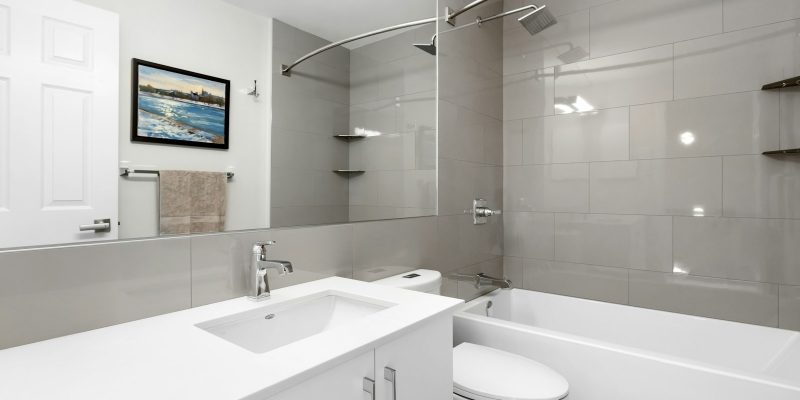
Accessible bathroom with curbless shower design in San Antonio remodel

Aging-in-Place Renovations: Accessible Home Remodeling in San Antonio

Most homeowners don’t think about accessibility until a family member has trouble navigating stairs, a narrow doorway, or a high-sided tub. Aging-in-place renovations let San Antonio homeowners stay in the house they love longer, safely, and often without the space looking like a hospital. This guide covers the most valuable updates, what they cost, and how to plan ahead before a mobility need becomes urgent.

What “Aging in Place” Actually Means

Aging in place refers to remodeling a home so it remains safe and functional as mobility, vision, or strength change over time, whether for the homeowners themselves or a parent moving in with family. The goal is a home that works for a wide range of physical abilities without looking institutional or losing its everyday style.

Priority Areas for Aging-in-Place Renovations

Bathrooms

Bathrooms are typically the highest-priority space for accessibility upgrades because they combine wet, slippery surfaces with tight spaces. Common updates include curbless (zero-threshold) showers, built-in shower seating, grab bars placed at the correct height and angle, comfort-height toilets, and slip-resistant flooring. For a broader look at bathroom remodeling options, see our guide on why hiring a professional bathroom remodeling company saves money.

Kitchens

Kitchen accessibility updates include lower countertop sections for seated food prep, pull-out shelving instead of deep base cabinets, lever-style faucet handles, and clear floor space for wheelchair or walker maneuverability. These changes can be incorporated into a broader kitchen remodel, as covered in our kitchen remodeling guide.

Entryways and Doorways

Wider doorways (typically 36 inches for wheelchair clearance) and zero-step entries make a significant difference for mobility. Even homes without an immediate need often benefit from wider doorways during a remodel, since retrofitting later is more disruptive.

Hallways and Flooring

Wide, clutter-free hallways with slip-resistant, low-pile or hard-surface flooring reduce fall risk and improve maneuverability for walkers or wheelchairs. Transitions between rooms should be flush wherever possible to avoid trip hazards.

Lighting

Brighter, well-placed lighting, including under-cabinet lighting in kitchens and motion-sensor lighting in hallways and bathrooms, reduces fall risk for anyone with diminished vision or night vision changes that come with age.

Wide, well-lit hallway supporting an accessible home layout in San Antonio

Single-Story Living Considerations

Primary Suite on the Main Floor

For two-story homes, relocating or adding a primary bedroom and full bathroom on the ground floor is one of the most impactful aging-in-place investments, eliminating the need to navigate stairs daily.

Stair Alternatives

For homeowners who want to stay in a multi-story home, stair lifts or, in some cases, small home elevators can be added, though these are typically higher-cost solutions reserved for homes where a main-floor suite isn’t feasible.

Designing for Accessibility Without an Institutional Look

Modern accessible design has moved well past the utilitarian grab bars and beige tile of decades past. Curbless showers with sleek glass panels, stylish grab bars that double as towel bars, and comfort-height fixtures now blend seamlessly into contemporary bathroom and kitchen designs, so accessibility upgrades don’t have to compromise on style.

Planning Ahead vs. Reacting to a Need

The most cost-effective aging-in-place renovations happen proactively, often bundled into a kitchen or bathroom remodel that’s already planned, rather than as an emergency retrofit after a fall or health event. If you’re already considering a remodel, it’s worth discussing accessibility features even if the need isn’t immediate yet.

Cost of Aging-in-Place Renovations in San Antonio

  • Bathroom safety upgrades (grab bars, comfort-height toilet, slip-resistant flooring): the most affordable tier, ideal as a standalone project.
  • Curbless shower conversion: a mid-range investment that significantly improves both safety and daily usability.
  • Full accessible bathroom or kitchen remodel: higher-end pricing, comparable to a standard remodel of the same room, since accessible fixtures don’t necessarily cost dramatically more than standard ones.
  • Main-floor primary suite addition: the highest-tier investment, similar in scope to a full home addition.

Common Mistakes to Avoid

  • Installing grab bars without proper wall blocking. Grab bars need to be anchored into structural blocking, not just drywall, to safely support weight.
  • Choosing style over function. A beautiful but slippery tile finish can undermine the safety goals of the renovation.
  • Waiting until after a fall to plan. Reactive renovations are often rushed and more expensive than proactive planning.
  • Overlooking lighting. Fall risk reduction depends as much on visibility as it does on physical modifications like grab bars and flooring.

Frequently Asked Questions

What is the most important aging-in-place renovation?

Bathroom safety updates, particularly a curbless shower with grab bars and slip-resistant flooring, are typically considered the highest-priority renovation, since bathrooms are the most common location for falls in the home.

Do aging-in-place renovations have to look clinical?

No. Modern accessible fixtures, from stylish grab bars to sleek curbless showers, are designed to blend into contemporary home design rather than looking institutional.

How wide do doorways need to be for wheelchair access?

A clear width of 36 inches is generally recommended for comfortable wheelchair access, though even modest widening from a standard 30-inch doorway can improve accessibility.

Should I renovate for aging in place before it’s needed?

Planning ahead, especially during an already-scheduled kitchen or bathroom remodel, is generally more cost-effective and less disruptive than a reactive renovation after a mobility change or fall.

Are grab bars required to be installed by a professional?

While not always legally required, professional installation ensures grab bars are anchored into proper structural blocking rather than just drywall, which is critical for them to safely bear weight.

Ready to Plan an Aging-in-Place Renovation?

Whether you’re planning ahead or responding to a recent change in mobility, the SATX Remodeling team can help design a home that’s both safe and beautiful. Reach out to schedule a free consultation and walkthrough.

Small backyard guest house or casita structure in San Antonio

ADU & Casita Guide: Adding a Guest Suite in San Antonio

Accessory dwelling units, often called ADUs or casitas in South Texas, have become one of the most requested projects for San Antonio homeowners looking for rental income, space for aging parents, or a private guest suite. This guide covers what an ADU actually is, what it costs, and the permitting and utility questions that come up most often.

What Is an ADU or Casita?

An accessory dwelling unit is a secondary, independent living space on the same lot as a primary home. In South Texas, these are often called casitas, reflecting the region’s Spanish architectural influence. Unlike a simple room addition, an ADU includes its own kitchen or kitchenette, bathroom, and separate entrance, functioning as a fully independent home, even though it shares the property with the main house.

Why San Antonio Homeowners Are Building ADUs

  • Rental income. With San Antonio’s growing rental market, a well-built ADU can generate meaningful monthly income.
  • Multigenerational living. A private casita gives aging parents or adult children independence while staying close to family.
  • Flexible use over time. An ADU can serve as a home office today and a rental or guest suite later, adapting as your needs change.
  • Lower cost per square foot than moving. Similar to the logic in our home additions vs. moving guide, an ADU adds usable space and income potential without the cost of relocating.

Types of ADUs

Detached ADU (Backyard Casita)

A fully separate structure in the backyard, offering the most privacy and flexibility, but requiring new utility connections and a standalone foundation.

Attached ADU

Built onto the side or rear of the main home with its own entrance, sharing one wall with the primary structure. This can simplify utility connections compared to a fully detached unit.

Garage-Conversion ADU

Converting an existing garage into a full ADU with a kitchenette and bathroom, similar to the process outlined in our garage conversion guide, but scoped as a fully independent unit rather than a bonus room.

Permitting and Zoning for ADUs in San Antonio

Zoning Requirements

San Antonio’s zoning code regulates where ADUs are allowed, minimum lot size, and setback requirements from property lines. Some neighborhoods, particularly those with HOAs, may have additional restrictions on detached structures or short-term rental use.

Utility Connections

Detached ADUs typically need their own water, sewer, and electrical connections, either run from the main house’s existing service or, in some cases, a separate meter. This is one of the more significant cost variables in an ADU project and should be assessed early in the planning process.

Building Codes

ADUs must meet the same residential building code requirements as a primary home, covering everything from egress windows to smoke detectors to accessible bathroom fixtures if applicable.

Small detached backyard structure suitable as an ADU in San Antonio

Designing an ADU That Works

Sizing for Function, Not Just Square Footage

Most successful ADUs prioritize an efficient, well-thought-out layout over sheer size. A compact but well-designed casita with a smart kitchenette, a full bathroom, and a comfortable living/sleeping area often functions better than a larger space with wasted square footage.

Matching the Main Home’s Style

For resale value and neighborhood cohesion, matching the ADU’s roofline, siding, and window style to the main house helps it read as an intentional, high-quality addition rather than an afterthought.

Cost of Building an ADU in San Antonio

  • Garage-conversion ADU: generally the most affordable path since it uses an existing structure and foundation.
  • Attached ADU: mid-range pricing, benefiting from shared walls and simpler utility runs compared to a detached unit.
  • Detached ADU (new construction): the highest end of the range, given the need for a new foundation, roof, and full utility connections, but offering the most privacy and flexibility.

Because utility connection costs and lot conditions vary significantly, an accurate ADU estimate requires a site visit rather than a general price list.

Common Mistakes with ADU Projects

  • Skipping the zoning check. Not every San Antonio lot allows a detached ADU without variances; confirm this before committing to a design.
  • Underestimating utility costs. Running new water, sewer, and electrical service to a detached structure is often the single largest hidden cost in an ADU budget.
  • Designing without a clear purpose. Whether the ADU is for rental income, family, or a home office changes key design decisions like soundproofing, separate entrances, and parking.
  • Ignoring HOA restrictions. Some HOAs limit or prohibit ADUs and short-term rentals, which should be confirmed before design work begins.

Frequently Asked Questions

Is an ADU legal in San Antonio?

ADUs are permitted in many parts of San Antonio, subject to zoning, lot size, and setback requirements. Some neighborhoods with HOAs may have additional restrictions, so it’s important to confirm both city zoning and any HOA covenants before designing your project.

Can I rent out my ADU?

In most cases, yes, though short-term rental use may be subject to additional city regulations or HOA rules. Long-term rental of an ADU is generally more straightforward than short-term rental in terms of local regulation.

How much does it cost to build a casita in San Antonio?

Cost depends heavily on whether you’re converting an existing structure (like a garage), building attached to the main home, or constructing a fully detached unit with new utility connections. A site visit is the best way to get an accurate estimate for your property.

Does an ADU need its own kitchen?

Most ADUs include at least a kitchenette to qualify as an independent living unit, though full kitchens are common in larger casitas intended for long-term rental or family use.

How long does it take to build an ADU?

A garage-conversion ADU can often be completed in two to four months. A detached, new-construction ADU typically takes four to eight months, depending on permitting, utility connections, and structural complexity.

Ready to Explore an ADU for Your Property?

Whether you’re picturing a rental unit, a space for family, or a flexible home office, the SATX Remodeling team can help you understand what your lot allows and what a realistic budget looks like. Reach out to schedule a free consultation and site assessment.

New energy-efficient window installed in a San Antonio home exterior

Exterior Siding & Window Replacement Guide for San Antonio Homes

Your home’s siding and windows do more work than almost any other building material: they hold back Texas heat, block UV rays, survive hailstorms, and are the first thing anyone sees when they pull up to your house. This guide covers what San Antonio homeowners need to know before replacing either one, from material choice to energy efficiency to what actually affects the price.

New energy-efficient window installed in a San Antonio home exterior

Signs Your Siding or Windows Need Replacing

  • Visible warping, cracking, or fading siding, especially on the sun-exposed sides of the house.
  • Rising energy bills that can’t be explained by usage changes, often a sign of poor window seals or thin, uninsulated siding.
  • Drafts or condensation between window panes, which usually means a failed seal.
  • Wood rot or soft spots around window frames or siding panels, often from years of moisture exposure.
  • Difficulty opening or closing windows smoothly.

If you’re noticing several of these at once, it’s worth reading our broader post on the 17 signs your San Antonio home is overdue for a renovation, since siding and window issues often show up alongside other maintenance needs.

Siding Material Options for San Antonio Homes

Fiber Cement Siding

Fiber cement has become one of the most popular siding choices in Texas because it resists fire, insects, and warping far better than traditional wood siding, while still offering a wide range of styles, including wood-look finishes.

Vinyl Siding

Vinyl remains a budget-friendly option that requires very little maintenance, though lower-grade vinyl can fade or become brittle after years of direct San Antonio sun exposure. Higher-quality vinyl products hold up significantly better.

Stucco

Stucco is a traditional choice throughout South Texas and pairs well with the region’s architectural styles. It handles heat well but requires attention to proper installation and occasional crack repair to prevent moisture intrusion.

Brick and Stone Veneer

For homeowners wanting a more permanent, low-maintenance exterior, brick and stone veneer offer excellent durability against both heat and hail, though at a higher upfront cost than vinyl or fiber cement.

Window Options and What Matters Most

Frame Materials

Vinyl vs. Fiberglass vs. Wood-Clad

Vinyl frames are the most budget-friendly and low-maintenance option. Fiberglass frames offer better strength and dimensional stability in extreme heat, making them a strong fit for South Texas summers. Wood-clad frames provide a classic look but require more maintenance to protect the wood from moisture and heat exposure.

Energy-Efficient Glass

Low-E (low-emissivity) glass coatings reduce heat transfer, which directly impacts cooling costs during San Antonio’s long, hot summers. Double-pane or triple-pane windows with Low-E coatings and gas fill (argon or krypton) offer the best performance for our climate.

Impact-Resistant Windows

Given the region’s occasional severe hailstorms, impact-resistant windows are worth considering, particularly for homes in areas with a history of hail damage. These windows use laminated glass designed to resist cracking on impact.

Home exterior with siding after a San Antonio exterior remodel

How Siding and Windows Affect Energy Bills

Old, uninsulated siding and single-pane or poorly sealed windows are among the biggest sources of energy loss in older San Antonio homes. Replacing both together, rather than one at a time, allows a contractor to address air sealing and insulation comprehensively rather than leaving gaps between mismatched upgrade timelines.

Planning a Siding or Window Replacement Project

Full Replacement vs. Partial Repair

Not every project requires a full tear-off. If damage is isolated to a few sections or windows, targeted repairs may be more cost-effective. However, homes with widespread wear typically get better long-term value from a full replacement, since matching new materials to old, weathered ones rarely looks seamless.

Permits

Most window and siding replacement projects require a permit, particularly if window openings are being resized or structural sheathing is exposed and needs repair.

Timing Around Weather

Because both projects expose your home’s exterior during installation, scheduling around San Antonio’s spring storm season helps avoid weather-related delays.

Cost of Siding and Window Replacement in San Antonio

  • Vinyl siding replacement: the most budget-friendly whole-home option.
  • Fiber cement siding replacement: a mid-to-upper range investment with strong durability and curb appeal.
  • Stucco repair or full re-stucco: pricing depends heavily on the extent of existing damage.
  • Vinyl window replacement (per window): the most affordable window upgrade option.
  • Fiberglass or impact-resistant windows (per window): higher cost but better long-term performance in Texas heat and storms.

For a full exterior refresh that includes paint alongside siding and window work, see our related post on exterior paint and curb appeal.

Common Mistakes to Avoid

  • Choosing the cheapest vinyl siding available. Lower-grade products fade and warp faster under intense Texas sun, leading to an earlier second replacement.
  • Skipping proper flashing and moisture barriers. Poor installation, more than material choice, is the leading cause of siding failure.
  • Ignoring window energy ratings. Choosing windows without checking Low-E coatings and gas fill can mean missing out on real cooling cost savings.
  • Mismatching new sections to old. Partial replacements that don’t account for sun-fading on existing material can leave a visibly patchwork exterior.

Frequently Asked Questions

What is the best siding material for San Antonio’s climate?

Fiber cement is widely considered one of the best options for Texas because it resists heat, fire, and moisture better than standard wood or lower-grade vinyl siding, while stucco and brick veneer remain strong traditional choices as well.

Do impact-resistant windows cost a lot more?

Impact-resistant windows typically cost more upfront than standard windows, but the added protection against hail damage and potential insurance discounts can offset some of that difference over time.

How long does siding replacement take?

A full siding replacement on an average-sized home typically takes one to two weeks, depending on square footage, siding material, and weather conditions during installation.

Will new windows lower my energy bill?

Yes, in most cases. Replacing old, poorly sealed windows with Low-E, properly sealed units can meaningfully reduce cooling costs, especially in homes with original single-pane windows.

Should I replace siding and windows at the same time?

Doing both together often makes sense from both a cost and performance standpoint, since it allows a contractor to address air sealing and insulation comprehensively rather than in two separate projects.

Ready to Upgrade Your Home’s Exterior?

Siding and windows are a long-term investment in your home’s comfort, energy efficiency, and curb appeal. The SATX Remodeling team can assess your current exterior and recommend materials suited to San Antonio’s climate and your budget. Reach out to schedule a free consultation.