
A remodel is the easiest time to add smart home technology, since walls are already open and electricians are already on site. This guide covers the smart home upgrades that deliver real value for San Antonio homeowners, from energy savings during brutal summer heat to security features that give peace of mind while you’re away.

Why Remodel Time Is the Right Time for Smart Home Upgrades
Adding smart switches, in-wall wiring for speakers, or a smart thermostat after the fact often means cutting into finished walls or settling for battery-powered workarounds. During a remodel, when walls are open and an electrician is already running new circuits, adding low-voltage wiring, additional outlets, or pre-wiring for future upgrades costs a fraction of what it would to retrofit later.
High-Value Smart Home Upgrades for San Antonio Homes
Smart Thermostats
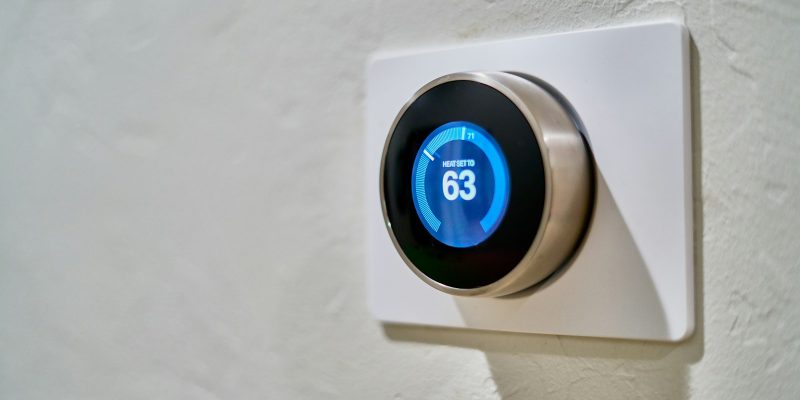
Given San Antonio’s long, hot cooling season, a smart thermostat that learns your schedule and adjusts automatically can meaningfully reduce energy bills. Many models also provide usage reports that help identify when HVAC systems are working harder than they should, sometimes flagging a maintenance issue before it becomes a bigger repair.
Smart Lighting
Smart switches and dimmers allow for scheduled lighting, remote control while away, and energy savings from automatic shutoff in unused rooms. Unlike smart bulbs, in-wall smart switches keep the ability to use standard light fixtures and don’t require replacing bulbs to add functionality.
Smart Locks and Video Doorbells
Smart locks provide keyless entry and the ability to grant temporary access remotely, useful for pet sitters, contractors, or family visiting while you’re away. Paired with a video doorbell, homeowners get a real-time view of who’s at the door from anywhere.
Leak Detection Sensors
Water leak sensors placed near water heaters, washing machines, and under sinks can alert homeowners to a leak before it causes significant damage, an especially valuable addition during a kitchen or bathroom remodel when plumbing lines are already exposed.
Smart Irrigation Controllers
Given San Antonio’s periodic water restrictions and hot, dry stretches, a smart irrigation controller that adjusts watering based on weather data can help keep landscaping healthy while reducing water waste.

Planning Smart Home Wiring During a Remodel
Low-Voltage Wiring
Running structured wiring for speakers, cameras, and network access points during a remodel, even if you don’t install the devices right away, makes future upgrades far simpler than adding wiring after walls are finished.
Whole-Home Wi-Fi Coverage
Smart home devices depend on reliable Wi-Fi coverage throughout the house. If your remodel includes any layout changes or an addition, it’s worth planning for a mesh Wi-Fi system or additional access point wiring rather than relying on a single router to cover a larger footprint.
Centralizing Control
Choosing devices that work within a single ecosystem (matching hub or app platform) makes day-to-day use simpler than juggling multiple apps for lighting, locks, and thermostats separately.
Smart Home Upgrades Worth Adding to a Kitchen or Bathroom Remodel
- Kitchen: smart faucets with voice or touch activation, under-cabinet lighting on smart switches, and leak sensors near the dishwasher and sink. See our kitchen remodeling guide for how these fit into a broader kitchen project.
- Bathroom: smart exhaust fans with humidity sensors (which also help with the bathroom ventilation issues we cover in a related post), heated floor controls, and leak sensors near the toilet and vanity.
Cost of Smart Home Upgrades
- Basic upgrades (smart thermostat, a few smart switches, one leak sensor): the most affordable entry point, often added to an existing remodel budget with minimal additional labor.
- Mid-range package (smart lighting throughout, smart lock, video doorbell, irrigation controller): a noticeable step up in whole-home convenience and security.
- Full smart home integration (centralized hub, structured wiring, whole-home audio, comprehensive security): the highest tier, best suited to a whole-home renovation or new construction project where wiring can be planned from the start.
Common Mistakes to Avoid
- Choosing incompatible ecosystems. Mixing devices from platforms that don’t talk to each other creates a frustrating, fragmented experience.
- Skipping wiring during a remodel. Even if you’re not ready to install every smart device now, running the wiring while walls are open avoids costly retrofits later.
- Underestimating Wi-Fi needs. Smart devices are only as reliable as the network behind them; weak coverage leads to constant connectivity issues.
- Overcomplicating the system. More devices aren’t always better; focus on upgrades that solve a real problem (energy costs, security, convenience) rather than adding gadgets for their own sake.
Frequently Asked Questions
Is it cheaper to add smart home features during a remodel?
Yes, in most cases. Running new wiring or adding outlets while walls are already open costs significantly less than retrofitting the same features into finished walls later.
Do smart thermostats really save money in San Antonio’s climate?
Smart thermostats can meaningfully reduce cooling costs by learning your schedule and adjusting temperatures automatically, which matters given how much of the year San Antonio homes rely on air conditioning.
What smart home upgrade gives the best return on investment?
Smart thermostats and leak detection sensors tend to offer the clearest financial payback, through reduced energy costs and avoided water damage, while smart locks and lighting offer more convenience and security value than direct cost savings.
Can smart home devices be added after a remodel is finished?
Yes, but options are more limited without pre-run wiring. Battery-powered or Wi-Fi-only devices (like plug-in smart outlets or wireless cameras) remain a good option after the fact, even without pre-planning during construction.
Do I need a whole-home hub to use smart devices?
Not necessarily. Many smart devices work through their own app or through popular assistants like Google Home or Amazon Alexa without a separate dedicated hub, though a centralized hub can simplify managing a larger number of devices.
Ready to Add Smart Home Features to Your Remodel?
If you’re already planning a kitchen, bathroom, or whole-home renovation, it’s the ideal time to talk through which smart home upgrades make sense for your household. The SATX Remodeling team can help incorporate wiring and devices into your project plan from the start. Reach out to schedule a free consultation.
]]>