
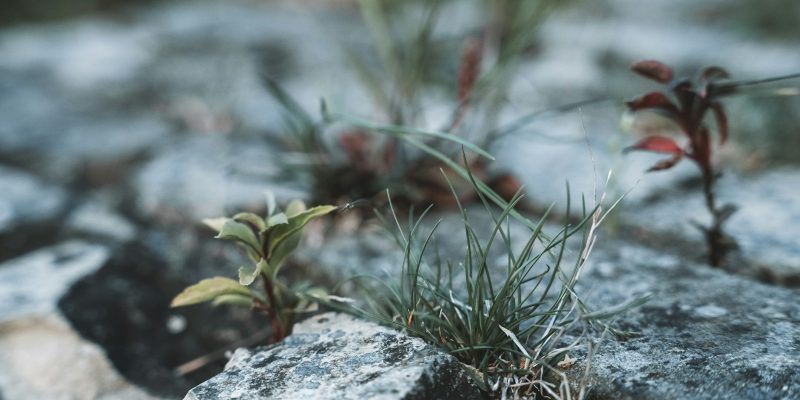
Between periodic watering restrictions and a climate that swings from heavy spring rain to long, dry summer stretches, traditional grass lawns are a tough sell in South Texas. Xeriscaping San Antonio homeowners are increasingly adopting replaces thirsty turf with drought-tolerant plants, native groundcover, and smart hardscaping, cutting water use while still delivering real curb appeal. At SATX Remodeling, we often coordinate landscaping updates alongside exterior remodel projects for exactly this reason.
What Xeriscaping Actually Means
Xeriscaping is landscape design built around minimizing supplemental water use, typically through drought-tolerant and native plant selection, efficient irrigation, and strategic use of mulch, rock, and hardscaping instead of water-hungry turf grass.
Why Xeriscaping Makes Sense in San Antonio
Water Restrictions
San Antonio Water System (SAWS) periodically enforces watering schedule restrictions during drought conditions, which can leave a traditional lawn struggling even with diligent care. A xeriscaped yard is far less dependent on a strict watering schedule to stay healthy.
Lower Water Bills
Outdoor irrigation is one of the largest discretionary water uses for most households. Reducing turf area and switching to drought-tolerant plants can meaningfully lower water bills over time, aligned with guidance from the EPA’s WaterSense program.
Core Principles of Xeriscape Design
Plant Zoning
Grouping plants by water need, rather than scattering thirsty and drought-tolerant plants together, lets you water efficiently instead of overwatering low-need areas to keep high-need plants alive.
Native and Adapted Plant Selection
Texas Native Plants
Native Texas plants, many recommended by Texas A&M AgriLife Extension, have adapted over generations to the region’s rainfall patterns and soil, requiring far less supplemental water once established than non-native turf or ornamentals.
Popular Options for San Antonio Yards
Texas sage, lantana, yucca, agave, and various ornamental grasses are common choices that handle Hill Country heat and periodic drought well.
Efficient Irrigation
Drip irrigation delivers water directly to plant roots with far less evaporation loss than traditional sprinkler systems, making it a natural pairing with a xeriscape design.
Mulch and Hardscaping
Mulch reduces soil moisture evaporation and suppresses weeds, while decorative rock, gravel paths, and patio areas reduce the overall footprint of water-dependent plantings. If you’re also planning a patio or outdoor living space, see our outdoor living spaces guide for how hardscaping and landscaping work together.
Xeriscaping Doesn’t Mean a Rock Yard
A common misconception is that xeriscaping means replacing a lawn with gravel and cacti. In practice, a well-designed xeriscape yard can be lush and colorful, combining flowering native perennials, ornamental grasses, and strategic turf areas (for high-traffic zones like a play area) with low-water plantings everywhere else.
Planning a Xeriscape Conversion
Start With a Water Audit
Understanding where your current irrigation system is over- or under-watering different zones, information the Texas Water Development Board encourages homeowners to assess, helps prioritize which areas to convert first.
Phase the Conversion
Many homeowners convert high-visibility areas, like the front yard, first, then phase in backyard changes over subsequent seasons as budget allows.
Frequently Asked Questions
Does xeriscaping really save money on water bills?
Yes, in most cases. Since outdoor irrigation is one of the largest discretionary water uses for a typical household, reducing turf area and switching to drought-tolerant plants can meaningfully lower water bills over time.
Can xeriscaping still look attractive and colorful?
Absolutely. Many native and drought-tolerant plants, like lantana and Texas sage, produce vibrant blooms, so a well-designed xeriscape yard doesn’t have to look like a plain gravel bed.
Do I need to remove all my grass to xeriscape?
No. Many homeowners keep a smaller turf area for high-traffic zones, like a play space, while converting the rest of the yard to drought-tolerant plantings.
What plants work best for xeriscaping in San Antonio?
Texas sage, lantana, yucca, agave, and various native ornamental grasses are popular choices that handle local heat, soil, and periodic drought conditions well.
Can SATX Remodeling help coordinate landscaping with a home renovation?
Yes. SATX Remodeling often coordinates exterior landscaping updates alongside patio, siding, and curb appeal projects to create a cohesive overall look.
Ready to Reduce Your Yard’s Water Dependence?
Whether you’re converting your whole yard or just a few high-water zones, the SATX Remodeling team can help plan landscaping updates that complement your home’s exterior. Reach out today to get started.