
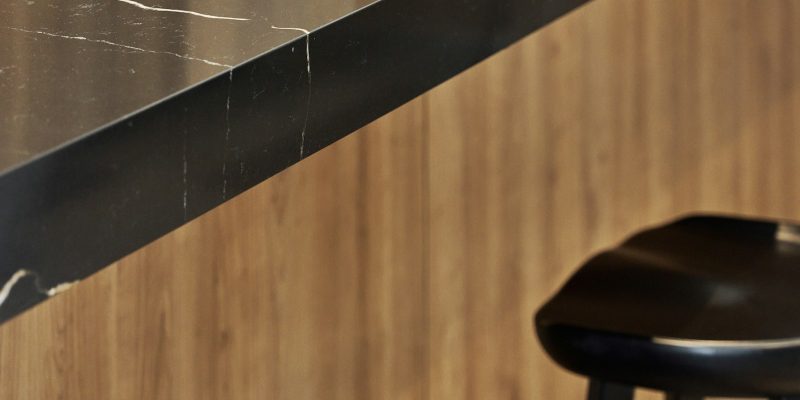
Countertops are one of the first things people notice in a kitchen, and one of the most common questions SATX Remodeling hears during a kitchen consultation is which material actually makes sense long-term. The quartz vs granite countertops San Antonio debate comes down to a handful of real differences in durability, maintenance, and cost, not just looks. This guide breaks those differences down so you can choose with confidence.
Quartz vs. Granite: The Core Difference
Granite is a natural stone, quarried and cut into slabs, meaning every piece has unique veining and color variation. Quartz is an engineered material made from crushed natural quartz combined with resin, which creates a far more consistent, uniform appearance from slab to slab.
How Each Material Is Made
Granite: 100% Natural Stone
Because granite forms naturally over millions of years, according to the Natural Stone Institute, no two slabs are exactly alike, which is part of its appeal for homeowners who want a one-of-a-kind surface.
Quartz: Engineered for Consistency
Quartz countertops are roughly 90-95% ground quartz combined with resins and pigments, allowing manufacturers to produce consistent colors and patterns across every slab, useful for large kitchens or matching multiple surfaces.
Durability Comparison
Scratch and Heat Resistance
Granite holds up extremely well against heat, making it forgiving if a hot pan occasionally lands directly on the surface. Quartz resists scratches slightly better than granite in day-to-day use, but its resin content makes it more sensitive to extreme heat, so trivets are still recommended for hot cookware.
Stain Resistance
Granite is porous and requires periodic sealing to resist staining from oil, wine, or acidic foods. Quartz is non-porous straight out of the factory, which means it resists stains without any sealing required.
Quick Reference: Sealing Requirements
Granite: reseal roughly once a year. Quartz: no sealing needed, ever.
Maintenance and Everyday Care
Granite’s need for periodic resealing is a real, ongoing task, though a simple one. Quartz’s low-maintenance nature is one of its biggest selling points for busy households, since daily cleaning only requires mild soap and water. For general surface care recommendations across materials, Consumer Reports offers useful comparative maintenance guidance for kitchen surfaces.
Cost Differences
Pricing for both materials varies by color, pattern rarity, and slab availability. Granite can range from affordable, common colors to premium, rare veining that costs significantly more. Quartz pricing tends to be more predictable since it’s manufactured rather than quarried, though premium designer colors and patterns still command a higher price than standard options.
Food Safety and Certification
Both materials, when properly fabricated and installed, meet food-safety surface standards. Homeowners researching specific product lines can check for NSF International certification, which verifies a surface meets food-contact safety requirements.
Which One Should You Choose for Your San Antonio Kitchen?
Choose Granite If…
You want a completely natural, one-of-a-kind surface and don’t mind an annual resealing task in exchange for excellent heat resistance.
Choose Quartz If…
You want a low-maintenance, stain-resistant surface with consistent color and pattern across the whole kitchen, and you’re comfortable using trivets for hot cookware.
If you’re planning a full kitchen remodel and weighing countertops alongside cabinetry and layout, our kitchen remodel cost guide breaks down how countertop choice fits into your overall budget. For background on different finish tiers, see our kitchen remodeling guide.
Frequently Asked Questions
Is quartz better than granite for a San Antonio kitchen?
Neither is universally “better.” Quartz offers lower maintenance and more consistent color, while granite offers superior heat resistance and a completely natural, unique look. The right choice depends on your priorities.
Does granite need to be resealed every year?
Most granite countertops benefit from resealing roughly once a year, though this can vary based on the specific stone’s porosity and how heavily the kitchen is used.
Can quartz countertops handle a hot pan?
Quartz resists everyday wear well, but direct contact with very hot cookware can damage the resin binder. Using trivets is recommended regardless of which material you choose.
Is one material more expensive than the other?
Pricing depends heavily on the specific color and pattern chosen in either material. Granite can range from budget-friendly to premium, while quartz pricing is generally more predictable due to manufactured consistency.
Does SATX Remodeling install both quartz and granite countertops?
Yes. SATX Remodeling works with both materials and can help you compare samples in person to find the right fit for your kitchen’s style and budget.
Still Deciding Between Quartz and Granite?
Seeing and touching actual samples side by side makes this decision much easier than comparing photos online. The SATX Remodeling team can bring real samples to your consultation and help you weigh the trade-offs for your specific kitchen. Reach out today to get started.