

If you’ve started researching a renovation, you’ve probably noticed that home remodeling cost San Antonio searches turn up a wide range of numbers, and none of them quite match your house. That’s because remodel pricing depends on dozens of variables specific to your home: its age, size, condition, and how far your finish choices lean toward builder-grade or custom. This guide breaks down realistic home renovation cost San Antonio ranges by project type, the factors that move those numbers up or down, and how to build a home remodel estimate you can actually trust.
Why “Average Cost” Numbers Don’t Tell the Full Story
National remodeling cost calculators are built from data across every region in the country, from small-town Midwest labor rates to coastal California pricing. Remodeling cost San Antonio TX homeowners actually pay reflects local labor rates, material availability, permitting requirements, and the specific quirks of Bexar County homes, including expansive clay soil that affects foundation and structural work. A number pulled from a national average is a starting point at best, not a number you should build a budget around.
Home Remodeling Cost in San Antonio by Project Type
While every home is different, here’s how house renovation cost generally breaks down by project, from smaller cosmetic updates to full-scale renovations.
Kitchen Remodeling
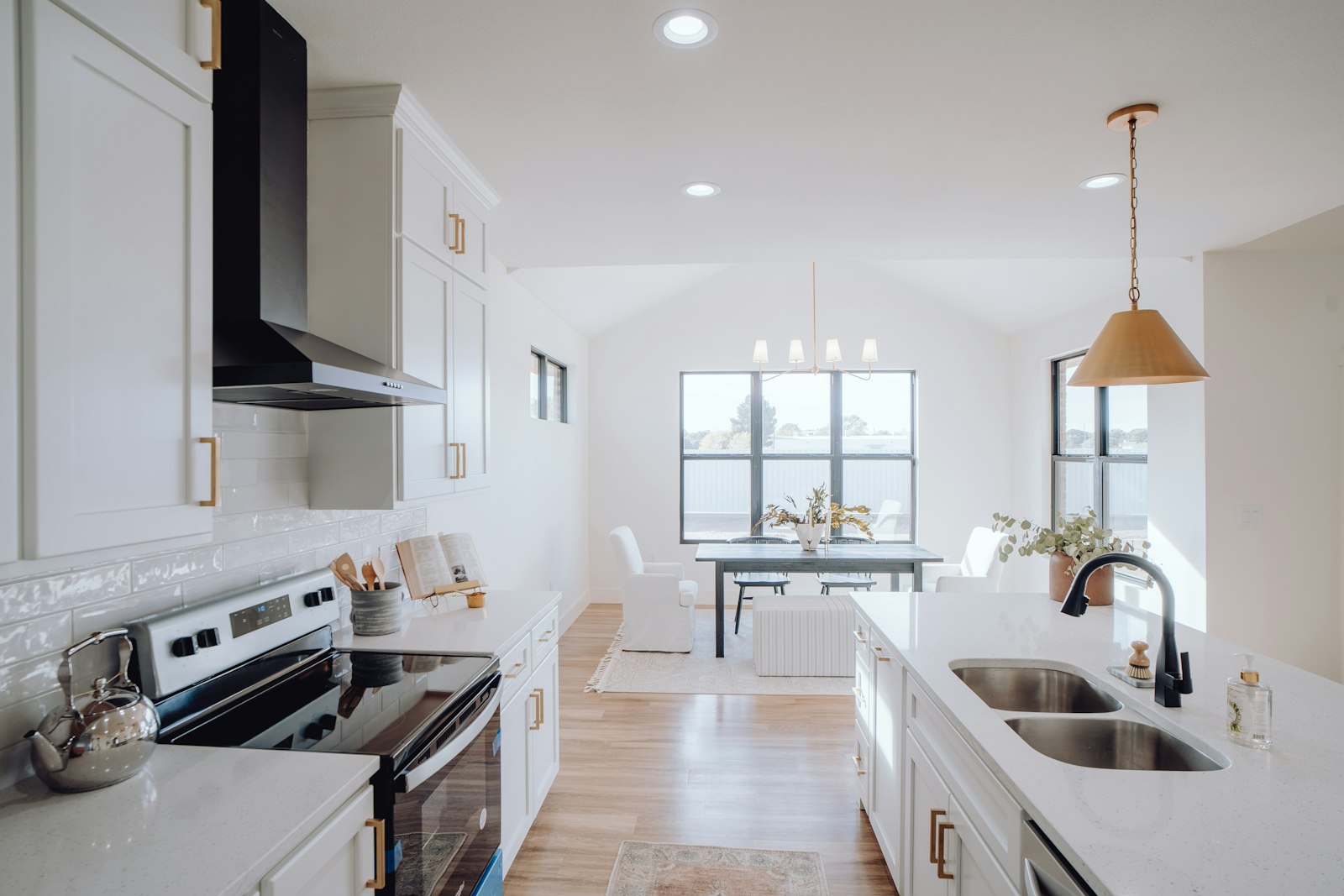
Kitchens are typically the single largest line item in any whole-home renovation because they combine cabinetry, countertops, appliances, plumbing, and electrical work in one room. A cosmetic refresh (paint, hardware, countertops) costs far less than a full gut renovation with reconfigured layout, custom cabinetry, and high-end appliances. Our kitchen remodeling guide breaks down pricing tiers from affordable to luxury in more detail.
Bathroom Remodeling
Bathrooms cost less per room than kitchens but add up quickly across multiple bathrooms in the same project. A simple vanity, fixture, and paint update sits at the low end, while a full gut renovation with new tile, a curbless shower, and repositioned plumbing sits at the high end. See our post on why hiring a professional bathroom remodeling company saves money for more on where that investment actually goes.
Whole-Home Renovation
A whole-home renovation combines kitchen, bathrooms, flooring, and often electrical or plumbing system updates into a single coordinated project. Pricing scales heavily with square footage and how much of the work involves opening walls versus purely cosmetic updates. Our whole-home renovation cost guide walks through this in detail, category by category.
Home Additions
Adding square footage, whether a bump-out, a full room addition, or a second story, costs more than an equivalent-sized interior remodel because it requires new foundation work, framing, and a roofline tie-in. Compare this against the cost of moving in our home additions vs. moving guide.
Flooring
Whole-home flooring replacement scales directly with square footage and material. Tile and luxury vinyl plank generally cost less than hardwood, though each has trade-offs worth understanding, covered in our flooring trends guide.
Roofing
While not technically an interior remodel, roof replacement is often bundled into larger renovation budgets, especially for older homes. Material choice (asphalt shingle vs. metal) significantly affects both upfront cost and long-term value, as covered in our guide to metal roofing benefits for San Antonio’s climate.
What Actually Drives Home Renovation Cost in San Antonio
Home Size and Project Scope
The most obvious cost driver is simply how much square footage is involved and how many rooms are part of the project. A single bathroom refresh and a whole-home renovation sit at opposite ends of the pricing spectrum for exactly this reason.
Age and Condition of the Home
Older San Antonio homes often carry hidden costs that don’t show up until walls are opened: outdated wiring, aging plumbing, or foundation issues related to the region’s expansive clay soil. If your home is showing multiple signs it’s overdue for a renovation, budget for some of these behind-the-walls costs even if they weren’t part of your original plan.
Material and Finish Level
Builder-grade materials, semi-custom, and fully custom finishes represent three distinct pricing tiers within the same project type. Countertop material alone (laminate vs. quartz vs. natural stone) can shift a kitchen budget substantially without changing the layout at all.
Labor Availability and Timing
Labor costs in San Antonio fluctuate somewhat with contractor demand and seasonality. Scheduling flexibility, avoiding the busiest spring and early summer renovation season, can sometimes work in a homeowner’s favor on pricing and availability.
Structural and Systems Work
Electrical panel upgrades, repiping, and foundation repair aren’t glamorous, but they’re often necessary in older homes and can represent a meaningful share of an overall renovation budget, especially when they weren’t anticipated at the start.
How to Get an Accurate Home Remodel Estimate
A trustworthy home remodel estimate comes from an in-person walkthrough, not a phone quote or an online calculator. During a proper walkthrough, a contractor should assess:
- The condition of existing electrical, plumbing, and structural elements.
- Your specific material and finish preferences, not generic allowances.
- Any layout changes and what they mean for permitting.
- Realistic timeline expectations based on the full scope, not just the visible finish work.
Our renovation process guide walks through exactly how this works from first consultation to final walkthrough, so you know what to expect before you commit to a project.
Ways to Manage Your Home Remodeling Budget
- Prioritize systems first. Electrical, plumbing, and structural issues only get more expensive to address after finishes are installed over them.
- Choose one or two “splurge” items. Rather than upgrading every material to the highest tier, most homeowners get better results allocating extra budget to a few high-visibility choices, like countertops or a statement tile, while keeping other selections mid-range.
- Build in a contingency fund. A 10-15% buffer for surprises, especially in older homes, should be part of every renovation budget from the start.
- Get scope-matched bids. Comparing quotes only works when every contractor is bidding the same defined scope and material list; otherwise you’re comparing apples to oranges.
Financing a Home Remodel in San Antonio
Homeowners typically fund renovations through a mix of cash savings, home equity loans or lines of credit (HELOCs), cash-out refinancing, or dedicated renovation loan products. Each comes with different qualification requirements and repayment structures, so it’s worth discussing options with a lender before finalizing a project scope, particularly for larger whole-home renovations or additions.
Common Cost Mistakes San Antonio Homeowners Make
- Choosing the lowest bid without checking scope. A dramatically lower bid often means lower-grade materials, unlicensed subcontractors, or missing line items that show up later as change orders. Our guide on choosing the best remodeling company in San Antonio covers how to evaluate bids properly.
- Skipping the contingency fund. Especially in older homes, unexpected issues behind walls are common enough that a buffer isn’t optional.
- Changing selections mid-project. Custom orders and change orders after materials are already purchased are one of the most common sources of both delay and added cost.
- Underestimating permit timelines. Larger scopes of work require more inspections, which affects your overall project schedule and, indirectly, your budget if you’re paying for temporary housing or storage.
Frequently Asked Questions
How much does it cost to remodel a house in San Antonio?
Cost depends heavily on square footage, the home’s age and condition, and how much of the project involves structural or systems work versus purely cosmetic updates. An in-person walkthrough is the only reliable way to get an accurate number for your specific home.
What is the most expensive part of a home remodel?
Kitchens are typically the single largest line item in a whole-home renovation, followed by bathrooms, due to the combination of cabinetry, countertops, appliances, plumbing, and electrical work involved in both spaces.
Is it cheaper to remodel in phases or all at once?
Completing a renovation in one continuous project is often more cost-efficient due to shared labor, permitting, and material delivery, but phasing over time can make sense if your budget requires it.
How do I get an accurate remodeling estimate?
An accurate estimate requires an in-person walkthrough where a contractor can assess your home’s existing systems, discuss your specific material preferences, and identify any structural or layout considerations, rather than relying on a generic online calculator or phone quote.
Does home renovation cost in San Antonio differ from other Texas cities?
Labor and material costs vary by region, and San Antonio’s pricing reflects local market conditions, contractor availability, and the specific challenges of the area’s soil and climate, which can differ from renovation costs in Austin, Houston, or Dallas.
What’s a reasonable contingency budget for a remodel?
Most contractors recommend setting aside 10-15% of your total project budget as a contingency fund for unexpected issues, particularly in homes over 20 years old where behind-the-walls surprises are more common.
Get an Accurate Estimate for Your San Antonio Remodel
Every home is different, and the only way to get a number you can actually plan around is a walkthrough with someone who can see your home’s real condition, layout, and systems. The SATX Remodeling team offers free, honest consultations and estimates for kitchen, bathroom, whole-home, and addition projects across San Antonio. Reach out today to get started.
Pingback: Financing a Home Remodel in San Antonio | Options