
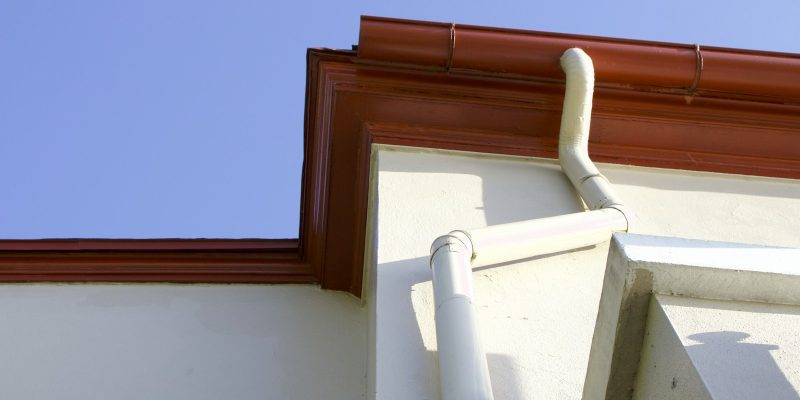
San Antonio sits on expansive clay soil that swells when wet and shrinks when dry, which makes foundation movement one of the most common, and most misunderstood, issues local homeowners face. Before starting any remodel, it’s worth understanding what’s actually happening beneath your home and how drainage plays a bigger role in foundation health than most people realize.
Why San Antonio Homes Are Prone to Foundation Movement
The clay soils common throughout Bexar County expand significantly when they absorb water and contract when they dry out. This constant swelling and shrinking puts uneven pressure on a home’s foundation over time, especially during San Antonio’s swings between heavy spring rains and long, dry summer stretches. Homes built decades ago, before more advanced foundation engineering became standard, are particularly susceptible.
Signs of Foundation Problems
- Cracks in interior drywall, especially diagonal cracks above doorways and windows.
- Doors and windows that stick or no longer close properly.
- Visible cracks in the exterior foundation, brick, or stucco.
- Uneven or sloping floors.
- Gaps between walls and ceilings or baseboards.
If you’re noticing several of these signs, it’s worth reading our broader post on the 17 signs your San Antonio home is overdue for a renovation, since foundation issues often show up alongside other maintenance needs.
How Drainage Affects Foundation Health
The Connection Between Water and Soil Movement
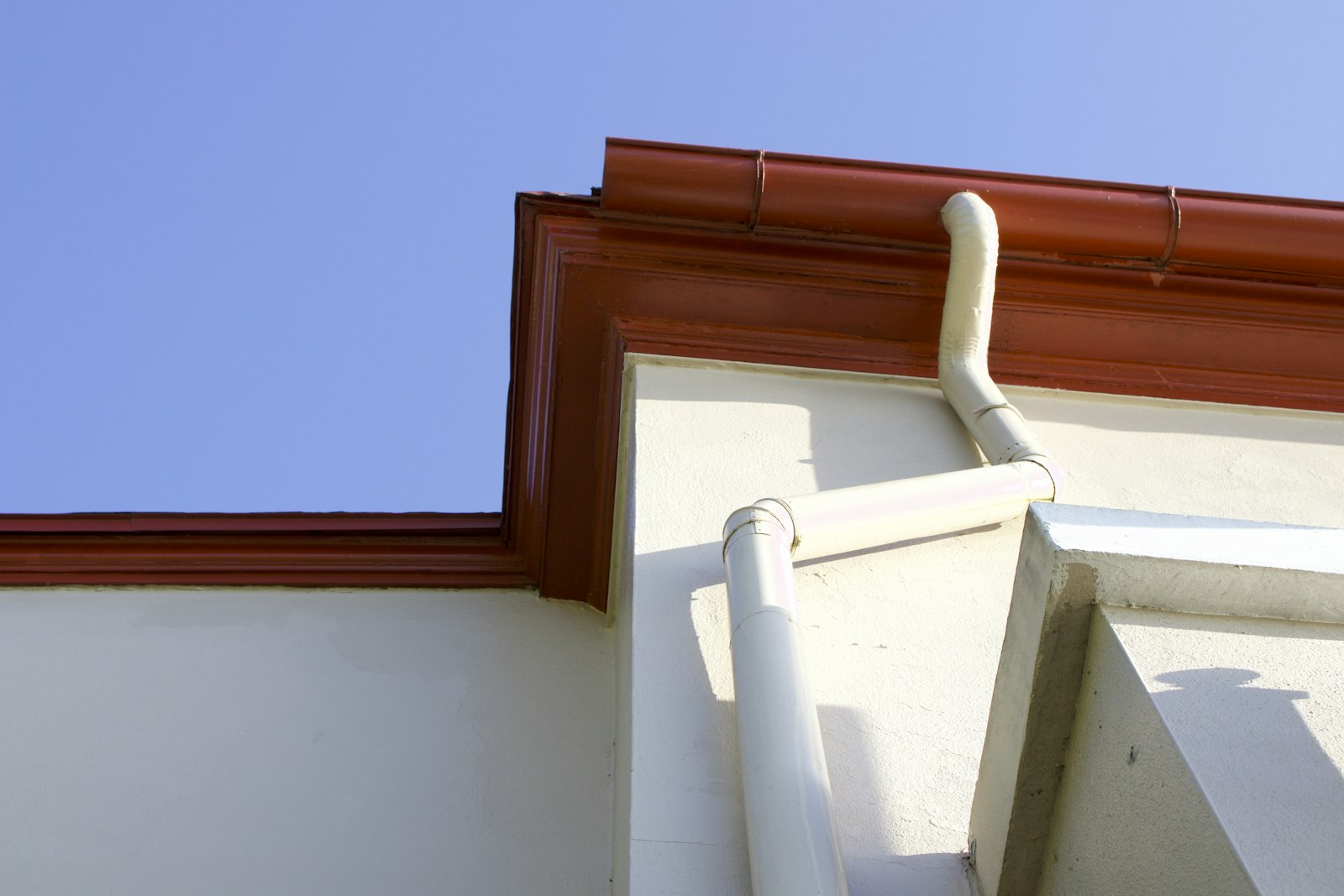
Most foundation problems aren’t caused by the foundation itself, they’re caused by water management around it. When gutters overflow, downspouts empty too close to the house, or grading slopes toward the foundation instead of away from it, water saturates the soil unevenly, accelerating the expansion and contraction that stresses the foundation.
Common Drainage Problems
- Clogged or undersized gutters that overflow directly next to the foundation during heavy rain.
- Downspouts that discharge too close to the house, saturating the soil right where you don’t want extra moisture.
- Poor grading, where the ground slopes toward the house instead of away from it.
- Missing or damaged French drains in yards with naturally poor drainage or low-lying areas.
Foundation Repair Methods
Pier and Beam Leveling
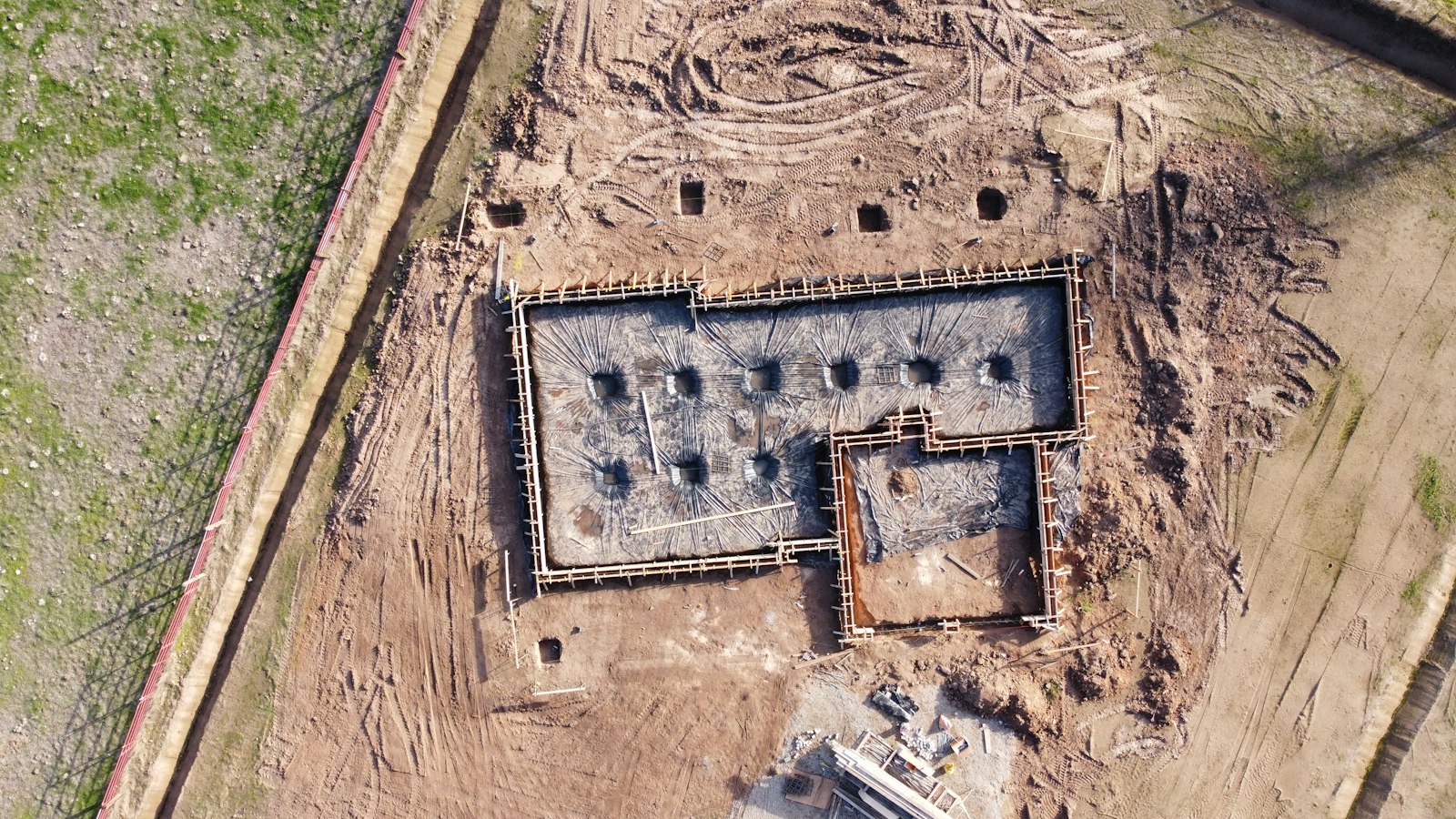
For homes with noticeable settling, piers (steel push piers or helical piers) can be installed beneath the foundation to stabilize and, in some cases, lift the structure back closer to level.
Slab Foundation Repair
Concrete slab foundations experiencing cracking or unevenness are often addressed with similar piering systems installed around the perimeter or at specific problem points identified during a structural assessment.
Crack Injection and Sealing
For minor, stable cracks that aren’t actively worsening, epoxy or polyurethane injection can seal the crack and prevent water intrusion without the cost of a full piering system.
Drainage Solutions to Prevent Future Problems
Gutter and Downspout Upgrades
Properly sized gutters, kept clear of debris, combined with downspout extensions that carry water at least several feet away from the foundation, address one of the most common and most fixable causes of foundation stress.
Grading Correction
Regrading the soil around a home’s perimeter so it slopes away from the foundation helps prevent water from pooling against the structure during heavy rain.
French Drains
For yards with persistent drainage issues, a French drain system can redirect groundwater away from the foundation and toward a more appropriate discharge point.
Root Barriers
Large trees planted too close to a home can worsen soil moisture imbalances as their roots draw water unevenly from the soil near the foundation. Root barriers can help manage this without requiring tree removal.
Why Foundation and Drainage Work Should Happen Before a Remodel
Addressing foundation and drainage issues before a kitchen, bathroom, or flooring remodel prevents new finishes from being damaged by ongoing settlement or water intrusion. It’s far more cost-effective to stabilize a foundation and correct drainage before installing new tile, cabinetry, or flooring than to repair a foundation issue that cracks freshly finished work.
Cost of Foundation and Drainage Repairs in San Antonio
- Gutter and downspout upgrades: the most affordable preventive measure, often addressing the root cause of ongoing moisture issues.
- Grading correction: a moderate investment that can significantly reduce water pooling near the foundation.
- French drain installation: mid-range pricing depending on yard size and drainage complexity.
- Crack injection repair: relatively affordable for minor, stable cracks.
- Pier and beam or slab foundation repair: the highest-tier investment, scaling with the number of piers needed and the extent of settlement.
Because foundation issues vary so much in cause and severity, an accurate assessment requires an in-person evaluation, ideally from a structural engineer or foundation specialist before major repair work begins.
Common Mistakes to Avoid
- Ignoring small cracks. What looks minor today can indicate ongoing movement that worsens over time if the underlying cause isn’t addressed.
- Fixing the crack without fixing the drainage. Repairing a foundation crack without correcting the water management issue that caused it often means the problem returns.
- Overwatering or underwatering foundation soil. Some homeowners use soaker hoses around the foundation during dry spells to reduce soil shrinkage, but this needs to be done carefully and consistently to avoid overcorrection.
- Remodeling before addressing structural issues. New flooring or finishes installed over an unstable foundation risk being damaged by continued settlement.
Frequently Asked Questions
How do I know if my foundation issue is serious?
Hairline cracks that aren’t growing are often cosmetic, while cracks that widen over time, doors and windows that increasingly stick, or visibly sloping floors suggest active movement that warrants a professional structural assessment.
Can drainage problems really affect my foundation?
Yes. Poor drainage is one of the most common underlying causes of foundation movement in San Antonio, since uneven soil moisture from water pooling near the foundation accelerates the expansion and contraction of expansive clay soils.
Should I fix drainage or the foundation first?
In most cases, addressing drainage issues alongside or before foundation repair gives the best long-term results, since fixing the foundation without correcting the water source that caused the problem often leads to recurring issues.
How much does foundation repair cost in San Antonio?
Cost depends heavily on the extent of settlement, the number of piers needed, and whether drainage corrections are included. A professional assessment is the only reliable way to get an accurate estimate for your specific situation.
Can I remodel my home if I have foundation issues?
It’s generally recommended to address foundation and drainage issues before major remodeling work, since new flooring, tile, and finishes installed over an unstable foundation are at risk of being damaged by continued movement.
Concerned About Your Foundation or Drainage?
Before starting your next remodel, it’s worth having your foundation and drainage assessed, especially if you’ve noticed any warning signs. The SATX Remodeling team can help identify issues early and connect you with the right solution before new finishes go in. Reach out to schedule a free consultation.
Pingback: Gutter Maintenance San Antonio | Fall Rain Guide