
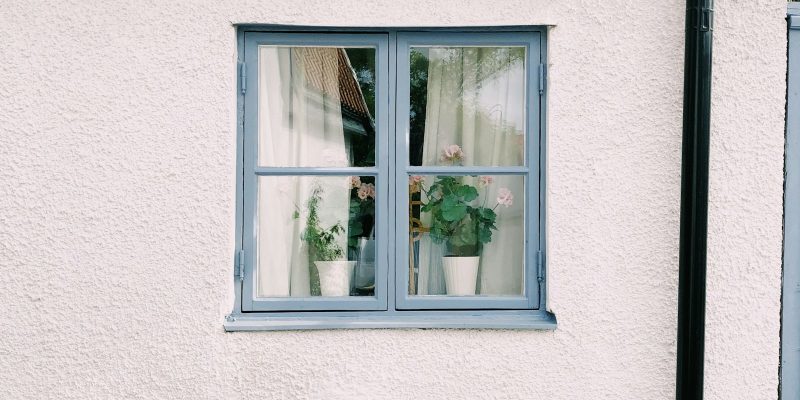
Your home’s siding and windows do more work than almost any other building material: they hold back Texas heat, block UV rays, survive hailstorms, and are the first thing anyone sees when they pull up to your house. This guide covers what San Antonio homeowners need to know before replacing either one, from material choice to energy efficiency to what actually affects the price.
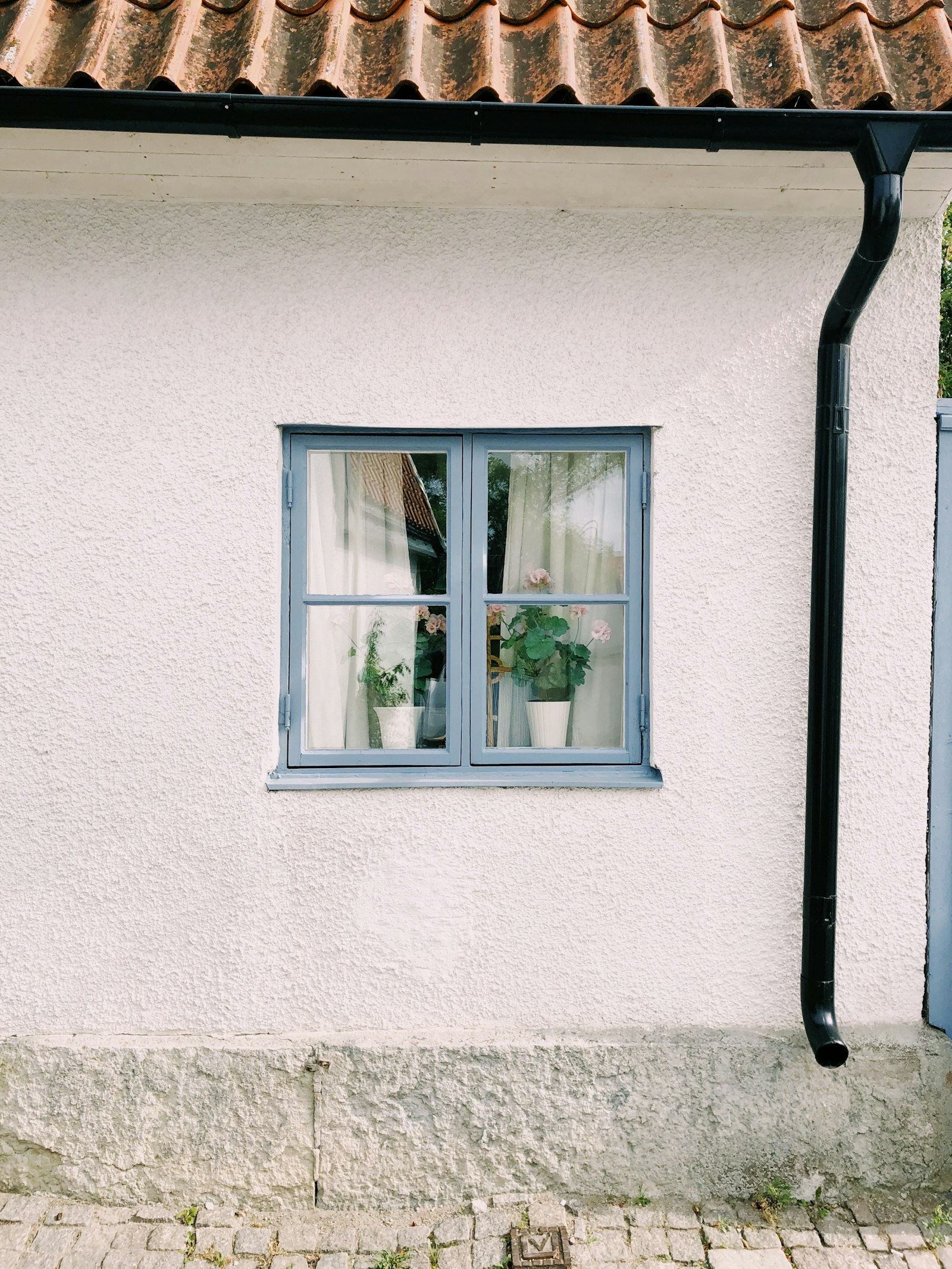
Signs Your Siding or Windows Need Replacing
- Visible warping, cracking, or fading siding, especially on the sun-exposed sides of the house.
- Rising energy bills that can’t be explained by usage changes, often a sign of poor window seals or thin, uninsulated siding.
- Drafts or condensation between window panes, which usually means a failed seal.
- Wood rot or soft spots around window frames or siding panels, often from years of moisture exposure.
- Difficulty opening or closing windows smoothly.
If you’re noticing several of these at once, it’s worth reading our broader post on the 17 signs your San Antonio home is overdue for a renovation, since siding and window issues often show up alongside other maintenance needs.
Siding Material Options for San Antonio Homes
Fiber Cement Siding
Fiber cement has become one of the most popular siding choices in Texas because it resists fire, insects, and warping far better than traditional wood siding, while still offering a wide range of styles, including wood-look finishes.
Vinyl Siding
Vinyl remains a budget-friendly option that requires very little maintenance, though lower-grade vinyl can fade or become brittle after years of direct San Antonio sun exposure. Higher-quality vinyl products hold up significantly better.
Stucco
Stucco is a traditional choice throughout South Texas and pairs well with the region’s architectural styles. It handles heat well but requires attention to proper installation and occasional crack repair to prevent moisture intrusion.
Brick and Stone Veneer
For homeowners wanting a more permanent, low-maintenance exterior, brick and stone veneer offer excellent durability against both heat and hail, though at a higher upfront cost than vinyl or fiber cement.
Window Options and What Matters Most
Frame Materials
Vinyl vs. Fiberglass vs. Wood-Clad
Vinyl frames are the most budget-friendly and low-maintenance option. Fiberglass frames offer better strength and dimensional stability in extreme heat, making them a strong fit for South Texas summers. Wood-clad frames provide a classic look but require more maintenance to protect the wood from moisture and heat exposure.
Energy-Efficient Glass
Low-E (low-emissivity) glass coatings reduce heat transfer, which directly impacts cooling costs during San Antonio’s long, hot summers. Double-pane or triple-pane windows with Low-E coatings and gas fill (argon or krypton) offer the best performance for our climate.
Impact-Resistant Windows
Given the region’s occasional severe hailstorms, impact-resistant windows are worth considering, particularly for homes in areas with a history of hail damage. These windows use laminated glass designed to resist cracking on impact.

How Siding and Windows Affect Energy Bills
Old, uninsulated siding and single-pane or poorly sealed windows are among the biggest sources of energy loss in older San Antonio homes. Replacing both together, rather than one at a time, allows a contractor to address air sealing and insulation comprehensively rather than leaving gaps between mismatched upgrade timelines.
Planning a Siding or Window Replacement Project
Full Replacement vs. Partial Repair
Not every project requires a full tear-off. If damage is isolated to a few sections or windows, targeted repairs may be more cost-effective. However, homes with widespread wear typically get better long-term value from a full replacement, since matching new materials to old, weathered ones rarely looks seamless.
Permits
Most window and siding replacement projects require a permit, particularly if window openings are being resized or structural sheathing is exposed and needs repair.
Timing Around Weather
Because both projects expose your home’s exterior during installation, scheduling around San Antonio’s spring storm season helps avoid weather-related delays.
Cost of Siding and Window Replacement in San Antonio
- Vinyl siding replacement: the most budget-friendly whole-home option.
- Fiber cement siding replacement: a mid-to-upper range investment with strong durability and curb appeal.
- Stucco repair or full re-stucco: pricing depends heavily on the extent of existing damage.
- Vinyl window replacement (per window): the most affordable window upgrade option.
- Fiberglass or impact-resistant windows (per window): higher cost but better long-term performance in Texas heat and storms.
For a full exterior refresh that includes paint alongside siding and window work, see our related post on exterior paint and curb appeal.
Common Mistakes to Avoid
- Choosing the cheapest vinyl siding available. Lower-grade products fade and warp faster under intense Texas sun, leading to an earlier second replacement.
- Skipping proper flashing and moisture barriers. Poor installation, more than material choice, is the leading cause of siding failure.
- Ignoring window energy ratings. Choosing windows without checking Low-E coatings and gas fill can mean missing out on real cooling cost savings.
- Mismatching new sections to old. Partial replacements that don’t account for sun-fading on existing material can leave a visibly patchwork exterior.
Frequently Asked Questions
What is the best siding material for San Antonio’s climate?
Fiber cement is widely considered one of the best options for Texas because it resists heat, fire, and moisture better than standard wood or lower-grade vinyl siding, while stucco and brick veneer remain strong traditional choices as well.
Do impact-resistant windows cost a lot more?
Impact-resistant windows typically cost more upfront than standard windows, but the added protection against hail damage and potential insurance discounts can offset some of that difference over time.
How long does siding replacement take?
A full siding replacement on an average-sized home typically takes one to two weeks, depending on square footage, siding material, and weather conditions during installation.
Will new windows lower my energy bill?
Yes, in most cases. Replacing old, poorly sealed windows with Low-E, properly sealed units can meaningfully reduce cooling costs, especially in homes with original single-pane windows.
Should I replace siding and windows at the same time?
Doing both together often makes sense from both a cost and performance standpoint, since it allows a contractor to address air sealing and insulation comprehensively rather than in two separate projects.
Ready to Upgrade Your Home’s Exterior?
Siding and windows are a long-term investment in your home’s comfort, energy efficiency, and curb appeal. The SATX Remodeling team can assess your current exterior and recommend materials suited to San Antonio’s climate and your budget. Reach out to schedule a free consultation.
Pingback: Exterior Paint & Curb Appeal Refresh Guide for San Antonio Homes - Home Remodeling Company in San Antonio - SATX Remodeling