
Fencing is one of those projects homeowners often research once and live with for the next 15-20 years, so getting the material choice right matters. The vinyl vs wood fencing San Antonio decision ultimately comes down to maintenance tolerance, budget, and how the fence needs to perform against Texas sun and storms. At SATX Remodeling, we help homeowners weigh both honestly rather than pushing one material as universally better.
How Vinyl and Wood Fencing Compare
Vinyl Fencing
Vinyl (PVC) fencing is manufactured for consistent color and texture, resists rot and insect damage entirely, and never needs painting or staining.
Wood Fencing
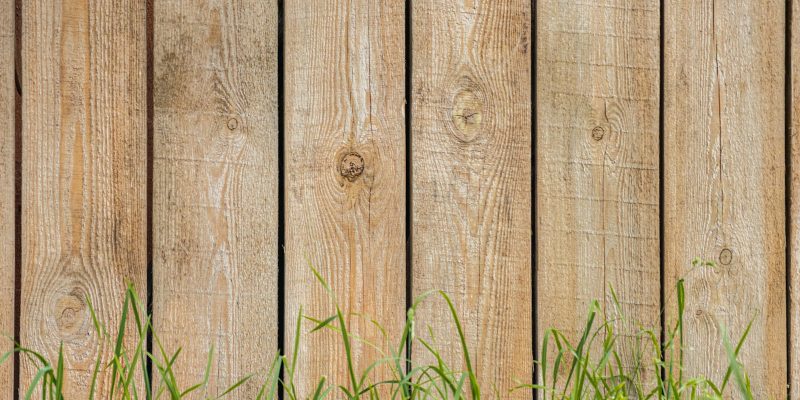
Wood fencing offers a natural, classic look and is often the more budget-friendly option upfront, with cedar and pressure-treated pine being the most common choices in Texas.
Durability in San Antonio’s Climate
Sun and Heat Resistance
Vinyl fencing holds its color well under intense UV exposure, though lower-quality vinyl can become brittle over many years of sun exposure. Wood fencing fades and can crack or splinter under the same conditions without regular maintenance.
Storm and Wind Resistance
Both materials can be damaged in severe storms, though vinyl’s flexibility sometimes allows panels to bend slightly under wind load rather than snapping outright, while wood’s rigidity can lead to cracked boards or posts in high winds.
Maintenance Comparison
Wood Fencing Upkeep
Wood fencing typically needs re-staining or sealing every 2-3 years in San Antonio’s climate to prevent sun damage, moisture intrusion, and insect issues.
Vinyl Fencing Upkeep
Vinyl requires only occasional washing to remove dirt or mildew, with no staining, sealing, or painting needed over its lifespan.
Cost Comparison
Wood fencing is generally the more affordable option upfront, while vinyl commands a higher initial price. Over a 15-20 year timeframe, wood’s ongoing maintenance costs can close or even exceed that initial price gap, similar to the cost dynamics covered in our composite vs. wood decking comparison.
Privacy and Style Options
Both materials come in a range of styles, from solid privacy panels to decorative picket designs. Vinyl offers more consistent manufactured styles, while wood allows for more custom, one-of-a-kind designs and easier modification after installation.
Environmental Considerations
Wood fencing sourced from Forest Stewardship Council certified lumber comes from responsibly managed forests. Vinyl fencing’s environmental profile is more complex, as the EPA notes that PVC production and disposal carry different environmental considerations than natural wood, though vinyl’s long lifespan reduces how often material needs replacing.
Installation and Permitting
Fence height, setback from property lines, and material restrictions are commonly regulated by both city code and HOA covenants in San Antonio neighborhoods. Checking these requirements before installation, regardless of material choice, is an essential first step. The North American Deck and Railing Association offers general guidance on fence and railing installation standards worth reviewing.
Resale Value Considerations
According to data referenced by the National Association of Realtors, a well-maintained fence contributes positively to a home’s curb appeal and perceived privacy, regardless of material, though a fence in poor repair can have the opposite effect.
Frequently Asked Questions
Which lasts longer, vinyl or wood fencing?
Vinyl fencing typically lasts longer with less maintenance, often 20-30 years, while wood fencing’s lifespan depends heavily on consistent maintenance and can range from 10-20 years.
Is vinyl fencing more expensive than wood?
Vinyl generally costs more upfront than wood, though wood’s ongoing maintenance costs over time can narrow or eliminate that initial price difference.
Can wood fencing be stained to match any color?
Yes, wood fencing offers more flexibility for custom staining and color changes over time compared to vinyl, which is manufactured in fixed colors.
Do I need a permit to install a fence in San Antonio?
Many fence projects require a permit, and height or setback restrictions may apply depending on your property’s zoning and any HOA covenants. Checking local requirements before installation is an important first step.
Does SATX Remodeling install both vinyl and wood fencing?
Yes. SATX Remodeling can help you compare both materials in person and install the option that best fits your budget, style, and maintenance preferences.
Ready to Choose Your Fence Material?
Whether you prioritize low maintenance or a natural, custom look, the SATX Remodeling team can help you weigh vinyl and wood fencing for your specific property. Reach out today to get started.