The SATX Remodeling team is composed of licensed general contractors, certified remodeling specialists, and design consultants based in San Antonio, Texas. With deep local expertise in Bexar County's building codes, climate challenges, and architectural styles, SATX Remodeling has become one of San Antonio's most trusted names in kitchen, bathroom, roofing, and whole-home renovation. All content on satxremodeling.com is written and reviewed by experienced professionals who have completed hands-on remodeling work in San Antonio homes.
Organized wooden pantry shelving in a San Antonio kitchen remodel

Walk-In Pantry Design Ideas for San Antonio Kitchens

A well-designed pantry does more than store cereal boxes, it keeps a kitchen functional during everyday cooking and holiday hosting alike. Walk-in pantry design San Antonio homeowners request most often comes up during kitchen remodels, when extra square footage or a reconfigured layout makes a dedicated pantry possible for the first time. At SATX Remodeling, we treat pantry design as seriously as cabinetry and countertops, since it directly affects how a kitchen functions day to day.

Why a Walk-In Pantry Is Worth the Square Footage

A dedicated pantry frees up kitchen cabinet space for everyday dishes and cookware while giving bulk and backup groceries a proper home. For larger families or anyone who cooks frequently, this extra storage often eliminates the overflow clutter that typically ends up on countertops.

Walk-In Pantry Layout Options

Reach-In vs. Walk-In

A reach-in pantry uses a shallow closet-style footprint with shelving accessible from the doorway, while a true walk-in pantry has enough floor space to move inside and access shelving on multiple walls, offering significantly more storage capacity.

U-Shaped vs. Galley Layouts

U-Shaped Pantries

A U-shaped layout uses three walls of shelving, maximizing storage in a compact footprint and working well for larger households.

Galley Pantries

A narrow galley-style pantry with shelving on two parallel walls suits homes with a long, narrow available space, such as adjacent to a kitchen hallway.

Shelving Depth and Spacing

Shallower shelves (around 12 inches) keep items visible and accessible rather than getting lost toward the back, a detail that makes a significant difference in everyday usability.

Storage Features Worth Including

Adjustable Shelving

Adjustable shelf heights accommodate everything from small spice jars to bulky small appliances, letting the pantry adapt as storage needs change over time.

Pull-Out Drawers and Baskets

Pull-out wire baskets for produce and deep drawers for bulk items improve accessibility compared to fixed shelving alone.

Counter Space for Small Appliances

A small counter section inside a larger walk-in pantry gives small appliances, like a coffee maker or stand mixer, a dedicated home outside the main kitchen footprint, a feature increasingly common in new builds tracked by the National Association of Home Builders.

Proper Food Storage Conditions

The USDA and FDA both recommend keeping pantry spaces cool, dry, and away from direct sunlight to preserve food quality, a detail worth considering when deciding where in the home to place a new pantry during a remodel.

Finding Space for a Walk-In Pantry

Not every home has obvious square footage for a dedicated pantry. Reclaiming space from an oversized hallway closet, incorporating it into a larger kitchen reconfiguration, or borrowing from an adjacent room are all common solutions we explore during kitchen remodel planning.

Pantry Organization That Actually Lasts

Clear, labeled containers and a consistent zone system (baking, snacks, canned goods) help a pantry stay organized well beyond the first few weeks after a remodel. Consumer Reports has noted that well-organized storage systems meaningfully reduce food waste by keeping items visible rather than forgotten at the back of a shelf.

Frequently Asked Questions

How much space do I need for a walk-in pantry?

A functional walk-in pantry can work in as little as 4-5 feet of depth with shelving on one or two walls, though larger U-shaped layouts offer significantly more storage for bigger households.

What’s the ideal shelf depth for pantry storage?

Shallower shelves, around 12 inches deep, generally work better than deep shelving since they keep items visible and accessible rather than lost toward the back.

Can I add a walk-in pantry without expanding my kitchen’s footprint?

Often, yes. Repurposing an oversized closet or reconfiguring an adjacent space during a kitchen remodel can create a dedicated pantry without adding square footage to the home.

Should a pantry have a window?

Generally no. Both the USDA and FDA recommend keeping pantry storage away from direct sunlight and heat, which can degrade packaged food quality over time.

Can SATX Remodeling add a walk-in pantry during my kitchen remodel?

Yes. SATX Remodeling regularly incorporates pantry design into kitchen remodels, whether that means reclaiming existing space or planning it into a layout reconfiguration.

Ready to Design Your Dream Pantry?

A well-planned pantry is one of the most functional upgrades you can add to a kitchen remodel. The SATX Remodeling team can help you find the space and layout that works best for your home. Reach out today to get started.


Front load washer and dryer in a remodeled San Antonio laundry room

Laundry Room & Mudroom Remodel Ideas for San Antonio Homes

Laundry rooms and mudrooms rarely get the design attention that kitchens and bathrooms do, yet homeowners use them daily and often cite them as a source of ongoing frustration. A thoughtful laundry room remodel San Antonio homeowners invest in can turn a cramped, chaotic space into one of the most functional rooms in the house. At SATX Remodeling, we see laundry and mudroom updates deliver some of the best day-to-day quality-of-life improvement for the cost.

Why Laundry Rooms and Mudrooms Deserve Attention

These are transitional spaces, between outside and inside, between dirty and clean, and they absorb a lot of daily traffic and clutter. A well-designed layout reduces friction in everyday routines, from unloading groceries to managing muddy shoes after a rainy San Antonio afternoon.

Laundry Room Remodel Ideas

Layout and Workflow

An efficient laundry room follows a natural workflow: sorting, washing, drying, folding, and storage, ideally in that physical sequence. Even a small room benefits from thinking through this flow before finalizing a layout.

Front-Load vs. Top-Load Placement

Front-Load Machines

Front-load washers and dryers allow for a built-in countertop above them, useful for folding laundry directly at the point of use.

Top-Load Machines

Top-load machines need clearance above for the lid to open, which affects whether overhead cabinetry or shelving is practical in that specific spot.

Storage Solutions

Cabinetry for detergent and supplies, a hanging rod for air-drying or hang-dry items, and a utility sink for hand-washing all add real function to a laundry room without requiring a large footprint.

Ventilation and Dryer Safety

Proper dryer venting isn’t just about efficiency, it’s a genuine fire safety issue. The National Fire Protection Association reports that clogged dryer vents are a leading cause of home dryer fires, making a clean, properly routed vent an essential part of any laundry remodel. The Consumer Product Safety Commission recommends cleaning lint traps after every load and having vent ducts professionally cleaned periodically.

Mudroom Design Ideas

Entry Storage

Cubbies, hooks, and bench seating near the entry give every family member a dedicated spot for shoes, bags, and outerwear, reducing clutter that otherwise migrates into the kitchen or living room.

Durable, Easy-Clean Flooring

Mudrooms see the most dirt and moisture of any entry point in the house. Tile and luxury vinyl plank, covered in detail in our flooring trends guide, hold up well to this kind of daily wear.

Combining Laundry and Mudroom Spaces

For homes without room for two separate spaces, combining laundry and mudroom functions into one well-organized room is an efficient solution, especially near a garage entry.

Energy Efficiency Considerations

If you’re replacing washer and dryer units during your remodel, ENERGY STAR certified appliances use significantly less water and energy than older models, and the U.S. Department of Energy notes that efficient laundry appliances are one of the more impactful upgrades for reducing a household’s overall utility costs.

Planning Your Laundry Room or Mudroom Remodel

Consider how your family actually uses the space day to day, where shoes pile up, where mail and bags land, where laundry baskets accumulate, and design around those real habits rather than a generic layout. If this remodel is part of a larger home update, our whole-home renovation cost guide can help you see how it fits into an overall budget.

Frequently Asked Questions

How much does a laundry room remodel typically involve?

Scope ranges from a simple storage and flooring refresh to a full renovation involving plumbing, electrical, and cabinetry changes. The right scope depends on your current layout and specific pain points.

Is dryer vent cleaning really necessary?

Yes. Clogged dryer vents are a documented fire hazard and also reduce drying efficiency, making regular lint trap cleaning and periodic vent duct cleaning an important safety and performance habit.

Can a mudroom and laundry room share the same space?

Yes, and this is a common, space-efficient solution for homes without room for two separate dedicated areas, particularly near a garage or side entry.

What flooring works best in a mudroom?

Tile and luxury vinyl plank are popular choices because they handle moisture, dirt, and heavy foot traffic well without the maintenance concerns of hardwood in a high-moisture entry space.

Does SATX Remodeling handle laundry room and mudroom remodels?

Yes. SATX Remodeling can design and build out laundry and mudroom spaces as standalone projects or as part of a larger home renovation.

Ready to Redesign Your Laundry Room or Mudroom?

These hardworking spaces deserve the same thoughtful design as any other room in your home. The SATX Remodeling team can help you plan a layout that actually fits how your family lives. Reach out today to get started.

Drought-tolerant plant growing in rocky, low-water landscaping suited to San Antonio xeriscaping

Xeriscaping & Drought-Tolerant Landscaping for San Antonio Homes

Between periodic watering restrictions and a climate that swings from heavy spring rain to long, dry summer stretches, traditional grass lawns are a tough sell in South Texas. Xeriscaping San Antonio homeowners are increasingly adopting replaces thirsty turf with drought-tolerant plants, native groundcover, and smart hardscaping, cutting water use while still delivering real curb appeal. At SATX Remodeling, we often coordinate landscaping updates alongside exterior remodel projects for exactly this reason.

What Xeriscaping Actually Means

Xeriscaping is landscape design built around minimizing supplemental water use, typically through drought-tolerant and native plant selection, efficient irrigation, and strategic use of mulch, rock, and hardscaping instead of water-hungry turf grass.

Why Xeriscaping Makes Sense in San Antonio

Water Restrictions

San Antonio Water System (SAWS) periodically enforces watering schedule restrictions during drought conditions, which can leave a traditional lawn struggling even with diligent care. A xeriscaped yard is far less dependent on a strict watering schedule to stay healthy.

Lower Water Bills

Outdoor irrigation is one of the largest discretionary water uses for most households. Reducing turf area and switching to drought-tolerant plants can meaningfully lower water bills over time, aligned with guidance from the EPA’s WaterSense program.

Core Principles of Xeriscape Design

Plant Zoning

Grouping plants by water need, rather than scattering thirsty and drought-tolerant plants together, lets you water efficiently instead of overwatering low-need areas to keep high-need plants alive.

Native and Adapted Plant Selection

Texas Native Plants

Native Texas plants, many recommended by Texas A&M AgriLife Extension, have adapted over generations to the region’s rainfall patterns and soil, requiring far less supplemental water once established than non-native turf or ornamentals.

Popular Options for San Antonio Yards

Texas sage, lantana, yucca, agave, and various ornamental grasses are common choices that handle Hill Country heat and periodic drought well.

Efficient Irrigation

Drip irrigation delivers water directly to plant roots with far less evaporation loss than traditional sprinkler systems, making it a natural pairing with a xeriscape design.

Mulch and Hardscaping

Mulch reduces soil moisture evaporation and suppresses weeds, while decorative rock, gravel paths, and patio areas reduce the overall footprint of water-dependent plantings. If you’re also planning a patio or outdoor living space, see our outdoor living spaces guide for how hardscaping and landscaping work together.

Xeriscaping Doesn’t Mean a Rock Yard

A common misconception is that xeriscaping means replacing a lawn with gravel and cacti. In practice, a well-designed xeriscape yard can be lush and colorful, combining flowering native perennials, ornamental grasses, and strategic turf areas (for high-traffic zones like a play area) with low-water plantings everywhere else.

Planning a Xeriscape Conversion

Start With a Water Audit

Understanding where your current irrigation system is over- or under-watering different zones, information the Texas Water Development Board encourages homeowners to assess, helps prioritize which areas to convert first.

Phase the Conversion

Many homeowners convert high-visibility areas, like the front yard, first, then phase in backyard changes over subsequent seasons as budget allows.

Frequently Asked Questions

Does xeriscaping really save money on water bills?

Yes, in most cases. Since outdoor irrigation is one of the largest discretionary water uses for a typical household, reducing turf area and switching to drought-tolerant plants can meaningfully lower water bills over time.

Can xeriscaping still look attractive and colorful?

Absolutely. Many native and drought-tolerant plants, like lantana and Texas sage, produce vibrant blooms, so a well-designed xeriscape yard doesn’t have to look like a plain gravel bed.

Do I need to remove all my grass to xeriscape?

No. Many homeowners keep a smaller turf area for high-traffic zones, like a play space, while converting the rest of the yard to drought-tolerant plantings.

What plants work best for xeriscaping in San Antonio?

Texas sage, lantana, yucca, agave, and various native ornamental grasses are popular choices that handle local heat, soil, and periodic drought conditions well.

Can SATX Remodeling help coordinate landscaping with a home renovation?

Yes. SATX Remodeling often coordinates exterior landscaping updates alongside patio, siding, and curb appeal projects to create a cohesive overall look.

Ready to Reduce Your Yard’s Water Dependence?

Whether you’re converting your whole yard or just a few high-water zones, the SATX Remodeling team can help plan landscaping updates that complement your home’s exterior. Reach out today to get started.

Kitchen faucet running water, relevant to San Antonio hard water and water softener installation

Water Softener Installation in San Antonio: Is It Worth It for Your Remodel?

If you’ve noticed chalky buildup around your faucets, spotty dishes, or dry skin after showering, San Antonio’s hard water is likely the culprit. Water softener San Antonio homeowners install during a remodel can prevent years of mineral damage to new fixtures, water heaters, and appliances. At SATX Remodeling, we often recommend evaluating a whole-home softener whenever plumbing is already being reworked for a kitchen or bathroom project.

Why San Antonio Has Such Hard Water

San Antonio draws much of its water supply from the Edwards Aquifer, a limestone formation that naturally dissolves calcium and magnesium into the water as it flows through. San Antonio Water System (SAWS) and USGS both document the region as having notably hard water compared to national averages.

Signs You Have Hard Water

Visible Signs

White, chalky mineral deposits around faucets and showerheads, spotty glassware even after washing, and soap that doesn’t lather well are all classic signs of hard water.

Hidden Signs

Appliance Wear

Mineral buildup inside water heaters, dishwashers, and washing machines can reduce efficiency and shorten appliance lifespan over time, often without an obvious visual sign until performance noticeably declines.

Water Heater Impact Specifically

Scale buildup inside a water heater tank reduces heating efficiency and can shorten its lifespan, a consideration worth weighing alongside the choice between a tankless or traditional water heater.

How Water Softeners Work

Most whole-home water softeners use an ion-exchange process, swapping hard minerals like calcium and magnesium for sodium or potassium ions as water passes through a resin tank, resulting in noticeably softer water throughout the home.

Is a Water Softener Worth It During a Remodel?

Protecting New Fixtures and Appliances

If you’re investing in new countertops, fixtures, or appliances as part of a kitchen remodel, a softener helps protect that investment from premature mineral buildup and wear.

Water Conservation Considerations

Modern, efficient softeners use less water and salt per regeneration cycle than older models, aligning with the water conservation goals outlined by the EPA’s WaterSense program and regional guidance from the Texas Water Development Board.

Whole-Home vs. Point-of-Use Systems

Whole-Home Softeners

A whole-home system treats all water entering the house, protecting plumbing, fixtures, and appliances throughout.

Point-of-Use Filtration

Some homeowners pair a whole-home softener with a separate point-of-use filtration system at the kitchen sink for drinking water taste, since softened water isn’t the same as filtered water. Checking NSF International certification is a useful step when comparing specific filtration products.

Installation Considerations During a Remodel

A softener needs a dedicated space (often a garage or utility closet), access to a drain line, and a power source. If your remodel includes a garage conversion or utility room update, it’s worth planning softener placement early rather than retrofitting it later.

Frequently Asked Questions

Is San Antonio’s water really that hard?

Yes. San Antonio’s water supply, drawn largely from the Edwards Aquifer, is considered notably hard due to naturally occurring calcium and magnesium dissolved from the limestone formation.

Will a water softener save me money long-term?

By reducing mineral buildup in water heaters, dishwashers, and plumbing, a softener can extend the lifespan of these systems and reduce the frequency of repairs or replacements over time.

Do I need a water softener if I already have a water filter?

Filters and softeners serve different purposes: filtration typically targets taste, odor, or contaminants, while softening specifically addresses mineral hardness. Many homes benefit from both.

Where should a water softener be installed?

Softeners are typically installed near the main water line entry point, often in a garage, basement, or dedicated utility closet, with access to both power and a drain line.

Can SATX Remodeling include a water softener in my renovation plans?

Yes. SATX Remodeling can coordinate softener placement and plumbing during a kitchen, bathroom, or whole-home renovation, ensuring it’s integrated cleanly into your overall project.

Considering a Water Softener for Your Remodel?

If hard water is affecting your fixtures, appliances, or daily routine, now is a good time to plan for a softener as part of your next renovation. The SATX Remodeling team can help you figure out the right placement and system for your home. Reach out today to get started.

Plumbing pipes representing water heater installation in a San Antonio home remodel

Tankless vs. Traditional Water Heaters: What San Antonio Homeowners Should Know

Water heaters rarely get attention until they fail, but choosing the right type during a remodel can affect your energy bills, available space, and hot water supply for the next 15-20 years. The tankless water heater San Antonio homeowners ask SATX Remodeling about most often comes up during kitchen, bathroom, and laundry room renovations, when existing plumbing is already being reworked. This guide compares tankless and traditional tank water heaters to help you decide.

How Each Water Heater Type Works

Traditional Tank Water Heaters

A traditional water heater stores and continuously heats a set volume of water, typically 40-50 gallons for a family home, ready to use on demand but limited once that stored supply runs out.

Tankless Water Heaters

A tankless water heater heats water directly as it flows through the unit, with no storage tank at all. This means an essentially unlimited hot water supply, as long as the unit’s flow rate can keep up with simultaneous demand.

Gas vs. Electric Tankless Units

Gas Tankless

Gas tankless units generally support higher flow rates, making them a better fit for larger households with multiple simultaneous hot water demands.

Electric Tankless

Electric tankless units are often easier to install in homes without existing gas lines, though they may have lower maximum flow rates than gas models.

Energy Efficiency Comparison

According to the U.S. Department of Energy, tankless water heaters can be significantly more energy efficient than traditional tank units for average household use, since they eliminate the standby energy loss that comes from continuously keeping a full tank of water hot. ENERGY STAR certified tankless models represent some of the most efficient options currently available.

Space and Installation Considerations

Tankless units are compact and wall-mounted, freeing up closet or utility room space that a traditional tank would otherwise occupy, an advantage worth considering if your remodel includes a garage conversion or any project where utility space is at a premium. However, installing a tankless unit sometimes requires upgraded gas lines or electrical service, which should be assessed during the planning phase of your remodel.

Upfront Cost vs. Long-Term Savings

Upfront Investment

Tankless units typically cost more upfront than a comparable traditional tank, both in equipment and installation, especially if gas line or electrical upgrades are needed.

Long-Term Operating Costs

Over its lifespan, a tankless unit’s lower energy consumption can offset some of that higher upfront cost, though the payback period depends on household hot water usage and local utility rates.

Lifespan and Maintenance

Tankless water heaters generally last longer than traditional tank units, often 20 years compared to 10-15 years for a tank, though they do require periodic descaling maintenance, particularly important given the hard water common in San Antonio and documented in USGS water hardness data for the region. If you’re also considering a kitchen remodel or other plumbing-related project, it’s worth having your contractor evaluate your water heater’s condition at the same time. Checking a unit’s NSF International certification and Consumer Reports reliability ratings are both useful steps before you buy.

Which Is Right for Your San Antonio Home?

Larger households with high simultaneous hot water demand, multiple showers running at once, for example, often benefit most from a gas tankless system’s higher flow rate. Smaller households or those prioritizing lower upfront cost may find a traditional tank, or a well-sized electric tankless unit, perfectly sufficient.

Frequently Asked Questions

Is a tankless water heater worth the extra cost?

For many households, the combination of lower energy use, a longer lifespan, and unlimited hot water supply offsets the higher upfront cost over time, though the exact payback period depends on your household’s hot water usage.

Do tankless water heaters work well with San Antonio’s hard water?

Tankless units can be more sensitive to mineral buildup from hard water than traditional tanks, making periodic descaling maintenance important. Pairing a tankless system with a water softener can help extend its lifespan.

Can I switch from a tank to a tankless water heater during a remodel?

Yes, and a remodel is often the ideal time to do it, since plumbing, gas, or electrical lines may already need to be reworked for other parts of the project.

How long do tankless water heaters last?

Tankless units typically last around 20 years with proper maintenance, compared to roughly 10-15 years for a traditional tank water heater.

Does SATX Remodeling install tankless water heaters?

Yes. SATX Remodeling can incorporate tankless or traditional water heater installation into a kitchen, bathroom, or whole-home remodel, coordinating the plumbing and electrical work as part of the larger project.

Deciding Between Tankless and Traditional?

The right choice depends on your household size, budget, and how the water heater fits into your broader remodel plans. The SATX Remodeling team can walk through both options during your next project consultation. Reach out today to get started.

Dining table set for holiday hosting in a San Antonio home

How to Prep Your San Antonio Home for Holiday Hosting

With Thanksgiving and the holiday season just weeks away, now is the time to think about holiday home prep San Antonio families rely on to host comfortably. At SATX Remodeling, October is one of our busiest months for quick kitchen, bathroom, and flooring updates, as homeowners get ahead of guest season. This guide covers a practical holiday hosting checklist for getting your home ready, from small refreshes to bigger upgrades worth considering now.

Why October Is the Right Time to Start

Contractors, like SATX Remodeling, book up quickly once November arrives, and any project involving custom cabinetry, countertops, or flooring needs lead time to order materials. Starting your Thanksgiving home prep checklist in early October gives you enough runway to finish projects well before guests arrive.

Kitchen: The Heart of Holiday Hosting

Counter and Storage Space

If your kitchen already feels cramped during everyday cooking, holiday meal prep will only amplify the problem. Even small updates, like added counter space or better pantry organization, make a noticeable difference during high-volume cooking days.

Quick Wins vs. Bigger Upgrades

Quick Wins

Decluttering cabinets, adding shelf organizers, and deep-cleaning appliances can be done in a weekend and immediately improve holiday cooking flow.

Bigger Upgrades

If your kitchen genuinely needs more space or updated appliances, our kitchen remodeling guide covers options that can realistically be completed before the holidays if started soon.

Food Safety During Holiday Cooking

With more dishes, more guests, and more time food spends sitting out, the FoodSafety.gov guidelines on safe holding temperatures and leftover storage are worth a quick review each year, especially for larger gatherings.

Guest Bathroom Refresh

Guest bathrooms get far more use during the holidays than any other time of year. A fresh coat of paint, updated hardware, or a new vanity faucet can make a noticeable difference without a full renovation. If your guest bath needs more than a cosmetic refresh, see our post on why hiring a professional bathroom remodeling company saves money.

Flooring: Prepping for Heavy Foot Traffic

Holiday gatherings mean more feet moving through your home than usual. If your flooring is already showing wear, this is worth addressing before, not after, a houseful of guests. Our flooring trends guide compares options that hold up well to heavy seasonal traffic.

Home Safety Checks Before Guests Arrive

Fire and Candle Safety

Holiday decorating often means more candles, string lights, and space heaters in use at once. The National Fire Protection Association recommends checking smoke detectors and keeping candles away from decorations before the season’s heaviest use begins.

General Home Safety

With more people, including children and elderly guests, moving through your home, it’s worth doing a quick walkthrough for trip hazards, loose handrails, or poorly lit stairways. The American Red Cross offers a useful general home safety checklist that applies well to holiday hosting season.

Heating and Comfort

Even in San Antonio, a full house of guests can make a home feel warmer than usual, while early mornings may run cooler. A quick HVAC check, covered in part by ENERGY.GOV’s home comfort guidance, helps avoid an uncomfortable surprise mid-gathering.

Building Your Own Holiday Home Prep Checklist

  • Deep clean and declutter kitchen storage.
  • Address any flooring wear in high-traffic areas.
  • Refresh the guest bathroom with paint, hardware, or a new vanity.
  • Test smoke detectors and review candle/decoration safety.
  • Check HVAC performance before temperatures shift.
  • Walk through for general trip hazards and lighting gaps.

Frequently Asked Questions

How far in advance should I start holiday home prep?

Early-to-mid October is ideal, especially if any project involves ordering materials like countertops, cabinetry, or flooring, since lead times can stretch into several weeks.

What’s the most impactful quick update before the holidays?

A guest bathroom refresh and kitchen decluttering typically deliver the most noticeable improvement for the least time and cost, since both spaces see heavy use during hosting season.

Can SATX Remodeling complete a project before the holidays?

It depends on scope. Smaller updates like a vanity swap or flooring repair in a single room are often achievable with enough lead time if started in October; larger renovations may need to be scheduled for after the holidays.

What should I prioritize if I only have time for one project?

Focus on the space your guests will use most, typically the kitchen and guest bathroom, rather than spreading a smaller budget across multiple rooms.

Is it worth remodeling right before hosting a big holiday gathering?

Smaller, well-planned updates are generally safer bets before a hosting deadline than a full renovation, since construction timelines can be unpredictable close to a fixed event date.

Ready to Refresh Your Home Before the Holidays?

Whether you need a quick guest bathroom refresh or a more involved kitchen update, the SATX Remodeling team can help you figure out what’s realistically achievable before your holiday gathering. Reach out today to get started.

Black marble kitchen countertop with bar seating in a San Antonio home

Quartz vs. Granite Countertops: Which Is Best for San Antonio Kitchens?

Countertops are one of the first things people notice in a kitchen, and one of the most common questions SATX Remodeling hears during a kitchen consultation is which material actually makes sense long-term. The quartz vs granite countertops San Antonio debate comes down to a handful of real differences in durability, maintenance, and cost, not just looks. This guide breaks those differences down so you can choose with confidence.

Quartz vs. Granite: The Core Difference

Granite is a natural stone, quarried and cut into slabs, meaning every piece has unique veining and color variation. Quartz is an engineered material made from crushed natural quartz combined with resin, which creates a far more consistent, uniform appearance from slab to slab.

How Each Material Is Made

Granite: 100% Natural Stone

Because granite forms naturally over millions of years, according to the Natural Stone Institute, no two slabs are exactly alike, which is part of its appeal for homeowners who want a one-of-a-kind surface.

Quartz: Engineered for Consistency

Quartz countertops are roughly 90-95% ground quartz combined with resins and pigments, allowing manufacturers to produce consistent colors and patterns across every slab, useful for large kitchens or matching multiple surfaces.

Durability Comparison

Scratch and Heat Resistance

Granite holds up extremely well against heat, making it forgiving if a hot pan occasionally lands directly on the surface. Quartz resists scratches slightly better than granite in day-to-day use, but its resin content makes it more sensitive to extreme heat, so trivets are still recommended for hot cookware.

Stain Resistance

Granite is porous and requires periodic sealing to resist staining from oil, wine, or acidic foods. Quartz is non-porous straight out of the factory, which means it resists stains without any sealing required.

Quick Reference: Sealing Requirements

Granite: reseal roughly once a year. Quartz: no sealing needed, ever.

Maintenance and Everyday Care

Granite’s need for periodic resealing is a real, ongoing task, though a simple one. Quartz’s low-maintenance nature is one of its biggest selling points for busy households, since daily cleaning only requires mild soap and water. For general surface care recommendations across materials, Consumer Reports offers useful comparative maintenance guidance for kitchen surfaces.

Cost Differences

Pricing for both materials varies by color, pattern rarity, and slab availability. Granite can range from affordable, common colors to premium, rare veining that costs significantly more. Quartz pricing tends to be more predictable since it’s manufactured rather than quarried, though premium designer colors and patterns still command a higher price than standard options.

Food Safety and Certification

Both materials, when properly fabricated and installed, meet food-safety surface standards. Homeowners researching specific product lines can check for NSF International certification, which verifies a surface meets food-contact safety requirements.

Which One Should You Choose for Your San Antonio Kitchen?

Choose Granite If…

You want a completely natural, one-of-a-kind surface and don’t mind an annual resealing task in exchange for excellent heat resistance.

Choose Quartz If…

You want a low-maintenance, stain-resistant surface with consistent color and pattern across the whole kitchen, and you’re comfortable using trivets for hot cookware.

If you’re planning a full kitchen remodel and weighing countertops alongside cabinetry and layout, our kitchen remodel cost guide breaks down how countertop choice fits into your overall budget. For background on different finish tiers, see our kitchen remodeling guide.

Frequently Asked Questions

Is quartz better than granite for a San Antonio kitchen?

Neither is universally “better.” Quartz offers lower maintenance and more consistent color, while granite offers superior heat resistance and a completely natural, unique look. The right choice depends on your priorities.

Does granite need to be resealed every year?

Most granite countertops benefit from resealing roughly once a year, though this can vary based on the specific stone’s porosity and how heavily the kitchen is used.

Can quartz countertops handle a hot pan?

Quartz resists everyday wear well, but direct contact with very hot cookware can damage the resin binder. Using trivets is recommended regardless of which material you choose.

Is one material more expensive than the other?

Pricing depends heavily on the specific color and pattern chosen in either material. Granite can range from budget-friendly to premium, while quartz pricing is generally more predictable due to manufactured consistency.

Does SATX Remodeling install both quartz and granite countertops?

Yes. SATX Remodeling works with both materials and can help you compare samples in person to find the right fit for your kitchen’s style and budget.

Still Deciding Between Quartz and Granite?

Seeing and touching actual samples side by side makes this decision much easier than comparing photos online. The SATX Remodeling team can bring real samples to your consultation and help you weigh the trade-offs for your specific kitchen. Reach out today to get started.

Brick home exterior with autumn leaves representing fall home maintenance in San Antonio

Fall Home Maintenance Checklist for San Antonio Homeowners (2026)

As temperatures finally start to ease in South Texas, fall home maintenance San Antonio homeowners complete now can prevent expensive repairs once winter’s occasional cold snaps and holiday hosting season arrive. At SATX Remodeling, we walk through dozens of homes every fall, and the same handful of overlooked tasks show up again and again as the root cause of bigger problems later. This fall maintenance checklist covers exactly what to check, room by room and system by system, before the season changes.

Why Fall Is the Best Time for a Home Maintenance Checklist in San Antonio

San Antonio doesn’t get a hard freeze the way northern states do, but fall still brings cooler nights, the start of the rainy season, and the lead-up to heavy holiday use of kitchens, fireplaces, and guest bathrooms. A seasonal home checklist completed in October catches small issues, a loose shingle, a slow drain, a weak gutter hanger, while they’re still cheap, simple fixes.

The Cost of Skipping Fall Maintenance

According to the U.S. Department of Energy’s weatherization guidance, small gaps and seal failures around a home can meaningfully increase energy costs when left unaddressed through a full season. The same logic applies to roofs, gutters, and plumbing: minor wear ignored in October often becomes a major repair by spring.

Exterior Fall Maintenance Checklist

Roof and Gutters

Visual Roof Inspection

Walk the perimeter of your home and look for missing, curling, or damaged shingles. If your roof is more than 15 years old, it’s worth a closer look, our exterior curb appeal guide covers how roof condition affects your home’s overall look.

Gutter and Downspout Cleaning

Clear leaves and debris so fall rains drain properly away from your foundation rather than pooling against it. This directly ties into foundation health, which we cover in detail in our foundation and drainage guide.

Signs Your Gutters Need More Than Cleaning

Sagging sections, visible rust, or water marks on siding below the gutter line usually mean it’s time for repair or replacement, not just a cleanout.

Windows, Doors, and Siding

Check caulking and weatherstripping around windows and doors for gaps. Inspect siding for cracks or loose panels that could let moisture in during fall rains. For a deeper look at materials that hold up best, see our siding and window replacement guide.

Irrigation and Outdoor Plumbing

Even though San Antonio rarely sees a hard freeze, an occasional cold snap can still damage exposed irrigation lines. The EPA’s WaterSense program recommends checking sprinkler systems each season for leaks and misaligned heads, which also helps conserve water during ongoing regional restrictions.

Interior Fall Maintenance Checklist

HVAC System Check

Replace air filters and schedule a professional inspection before the system shifts from constant summer cooling to more intermittent fall use. A neglected system often fails at the worst possible time, right before a holiday gathering.

Fireplace and Chimney Safety

If you use your fireplace during cooler evenings, have it inspected before the season’s first fire. The National Fire Protection Association recommends annual chimney inspections to catch creosote buildup and structural issues before they become safety hazards.

Smoke and Carbon Monoxide Detectors

Fall is a natural checkpoint to test detectors and replace batteries, a simple step the Consumer Product Safety Commission flags as one of the most overlooked home safety tasks.

Water System and Plumbing Checks

San Antonio’s water comes from the Edwards Aquifer, and San Antonio Water System (SAWS) periodically issues seasonal watering restrictions worth checking before you adjust irrigation schedules for fall. Inside the home, check under sinks and around the water heater for any slow leaks that may have gone unnoticed over a busy summer.

Building a Home Maintenance Checklist You’ll Actually Use

Room-by-Room vs. System-by-System

Some homeowners prefer walking room by room; others prefer tackling one system (roof, plumbing, HVAC) at a time across the whole house. Either approach works as long as it’s written down and revisited each season rather than left to memory.

Frequently Asked Questions

When should I start fall home maintenance in San Antonio?

Early-to-mid October is ideal, after the worst summer heat has passed but before the rainy season and holiday hosting season put extra strain on your home’s systems.

Does San Antonio need the same fall prep as colder states?

Not entirely. Freeze-proofing is less critical here than in northern climates, but gutter cleaning, roof checks, HVAC service, and fireplace inspection remain just as important.

How often should gutters be cleaned in San Antonio?

At least twice a year, once in fall before rainy season and once in late spring, more often if your property has heavy tree coverage.

Can SATX Remodeling help with repairs found during a fall inspection?

Yes. SATX Remodeling handles everything from gutter and siding repair to full roof and foundation work, so any issues found during a seasonal check can be addressed by the same trusted team.

Keep Your San Antonio Home Ready for Every Season

A thorough fall checklist catches small problems before they become expensive ones. If your walkthrough turns up roofing, siding, drainage, or structural concerns, the SATX Remodeling team is ready to help with an honest assessment and a clear plan. Reach out today to schedule a consultation.

Homeowner reviewing a remodeling contract with a San Antonio contractor

Best Home Remodeling Contractor in San Antonio: What to Look For

Hiring the wrong contractor is the single most expensive mistake a homeowner can make on a remodel, more costly than any material upgrade or design choice. This guide covers exactly what to look for in a home remodeling contractor San Antonio homeowners can trust, from licensing to communication style, so you can tell the difference between a solid contractor and a risky one before signing anything.

Licensed contractor working on-site during a San Antonio remodeling project

Why Choosing the Right Contractor Matters So Much

A remodeling contractor San Antonio TX homeowners hire isn’t just executing a design, they’re managing your budget, your timeline, subcontractor relationships, permits, and inspections. A contractor who cuts corners in any of these areas can turn what should be an exciting project into a stressful, expensive one. This is one of the reasons we always encourage homeowners to look past the lowest bid and evaluate the full picture.

Licensing and Insurance: The Non-Negotiables

Verify Active Licensing

Texas doesn’t require a statewide general contractor license for residential work, but specific trades (electrical, plumbing, HVAC) do require licensed professionals. A reputable home renovation contractor will readily provide license numbers for any licensed subcontractors working on your project.

Confirm Insurance Coverage

General liability insurance and workers’ compensation coverage protect you if something goes wrong during construction. Ask for a certificate of insurance directly from the contractor, not just a verbal assurance, before work begins.

What to Look for in a San Antonio Remodeling Company

A Detailed, Written Estimate

A trustworthy remodeling company San Antonio homeowners can rely on provides an itemized estimate covering materials, labor, and timeline, not a vague lump-sum number. This level of detail makes it possible to compare bids meaningfully and catch scope gaps before they become change orders.

A Real Portfolio and Local References

Photos of completed local projects, ideally with addresses or neighborhoods you can verify, along with references you can actually call, tell you far more than online reviews alone. Ask specifically about projects similar in scope to yours.

Clear Communication From the Start

How a contractor communicates during the estimate process is a strong predictor of how they’ll communicate during construction. Slow responses, vague answers, or pressure to sign quickly are all worth noting as red flags.

A Defined Process

Established remodeling companies follow a repeatable process for design, material selection, permitting, and construction, rather than improvising project management on the fly. Our own renovation process guide is a good example of what a documented process should look like.

Red Flags to Watch For

  • Requests for large upfront payment. Texas law limits how much a contractor can require before work begins; be cautious of anyone asking for the full project cost upfront.
  • No physical business address. A legitimate local remodeling company should have a verifiable business presence in the San Antonio area.
  • Pressure tactics or “today only” pricing. Reputable contractors don’t need high-pressure sales tactics to win business.
  • Reluctance to provide references. A contractor with a solid track record will have no hesitation connecting you with past clients.
  • Dramatically lower bids than competitors. This often signals missing scope items, lower-grade materials, or unlicensed subcontractors that surface later as costly change orders.

Questions to Ask During Your Consultation

  • How long have you been operating in San Antonio specifically?
  • Can you provide proof of licensing and insurance?
  • Who will be my main point of contact during the project?
  • How do you handle unexpected issues discovered during construction?
  • What does your payment schedule look like?
  • Can I see examples of similar completed projects?

General Contractor vs. Design-Build Firm

Some homeowners work with a general contractor for construction and a separate designer for planning, while others prefer a design-build firm that handles both under one roof. Design-build often simplifies communication and accountability since there’s a single point of contact throughout the entire project, from initial design through final walkthrough.

How SATX Remodeling Approaches Every Project

We start every project with an honest, in-person walkthrough and a detailed, itemized estimate, not a rushed phone quote. From there, our documented renovation process keeps homeowners informed at every phase, from design through permitting, construction, and final inspection.

Common Mistakes When Choosing a Contractor

  • Choosing based on price alone. The cheapest bid often means missing scope, lower-grade materials, or unlicensed labor.
  • Skipping the reference check. Past clients can tell you things a portfolio never will, like how the contractor handled delays or unexpected issues.
  • Not getting everything in writing. Verbal promises about scope, materials, or timeline mean nothing once a dispute arises; insist on a detailed written contract.
  • Ignoring communication style during the estimate phase. If a contractor is hard to reach before you’ve signed anything, that pattern rarely improves after they have your deposit.

Frequently Asked Questions

What should I look for in a home remodeling contractor?

Look for verifiable licensing and insurance, a detailed written estimate, a real local portfolio, references you can call, and clear, responsive communication from the very first conversation.

How much should I pay upfront for a remodel?

Texas law limits upfront payment requirements for residential construction contracts; be cautious of any contractor asking for the full project cost before work begins. A reasonable deposit paired with progress payments tied to project milestones is standard practice.

Should I choose the lowest bid?

Not automatically. A significantly lower bid often reflects missing scope items, lower-grade materials, or unlicensed subcontractors, all of which can cost more in the long run through change orders or rework.

What’s the difference between a general contractor and a design-build firm?

A general contractor typically focuses on construction, often working alongside a separate designer, while a design-build firm manages design and construction together under one roof, which can simplify communication and accountability throughout the project.

How do I verify a contractor’s licensing in Texas?

While Texas doesn’t require a statewide general contractor license for residential work, specific trades like electrical and plumbing do require licensed professionals, and a reputable contractor should readily provide license numbers for verification.

Ready to Find the Right Contractor for Your Project?

Choosing the right remodeling partner shapes everything about your renovation experience, from budget accuracy to timeline to final quality. The SATX Remodeling team is happy to answer every question on this list during a free consultation. Reach out today to get started.
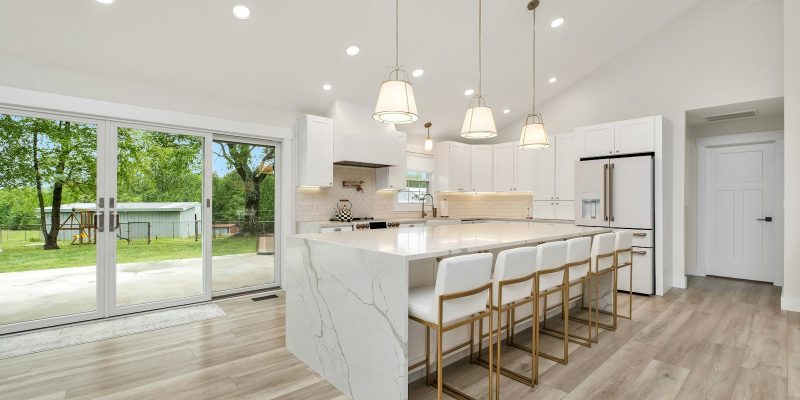
Large modern kitchen with center island and marble countertops after a San Antonio remodel

How Much Does a Kitchen Remodel Cost in San Antonio? 2026 Guide

Of all the questions we hear from San Antonio homeowners, kitchen remodel cost San Antonio comes up more than almost any other. It makes sense: the kitchen is usually the most expensive room in any renovation, and the price range you’ll see online is wide enough to be more confusing than helpful. This guide breaks down realistic kitchen renovation cost by scope and finish level, what actually drives the number up or down, and how to build a kitchen remodel estimate you can trust.

Why Kitchen Remodel Pricing Varies So Much

Kitchen remodeling San Antonio projects range from a simple cosmetic refresh to a full gut renovation with a reconfigured layout, and the price difference between those two ends of the spectrum is enormous. Layout changes, cabinet quality, countertop material, and appliance selection all move the number independently, which is why a single “average kitchen cost” figure rarely matches what you’ll actually pay.

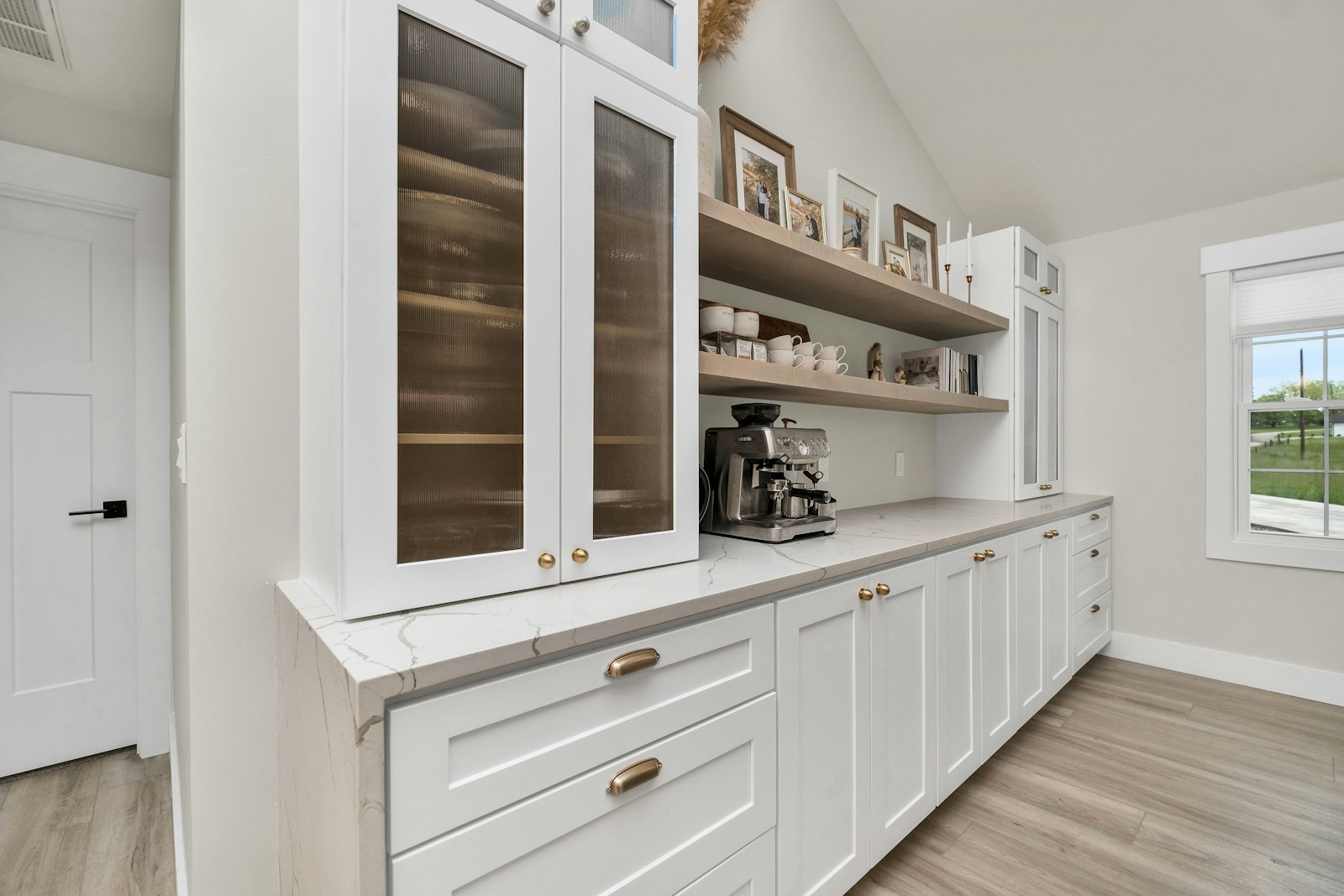
White kitchen cabinets and wood flooring in a San Antonio kitchen remodel

Kitchen Remodel Cost by Project Tier

Cosmetic Refresh

A cosmetic refresh keeps the existing layout, plumbing, and electrical in place and focuses on paint, hardware, a new backsplash, and possibly refaced (rather than replaced) cabinets. This is the most budget-friendly way to meaningfully update a kitchen’s look without touching its structure.

Mid-Range Remodel

A mid-range kitchen remodel typically includes new cabinets, updated countertops, new appliances, and possibly minor layout adjustments like moving a sink or adding an island. This tier represents the most common scope we see across San Antonio homes.

High-End or Full Gut Remodel

A full gut remodel involves reconfiguring the layout, moving plumbing and electrical, custom cabinetry, premium countertop materials, and high-end appliances. This tier delivers the most dramatic transformation but comes with the highest price tag and longest timeline.

What Drives Kitchen Renovation Cost Up or Down

Cabinetry

Cabinets are typically the single largest expense in a kitchen remodel. Stock cabinets cost significantly less than semi-custom, and fully custom cabinetry sits at the top of the range. Refacing existing cabinet boxes rather than replacing them entirely can meaningfully reduce cost while still delivering a fresh look.

Countertops

Laminate remains the most affordable countertop option, while quartz and granite sit in the mid-to-upper range, and natural stone slabs like marble represent the premium tier. Countertop choice alone can shift a kitchen budget substantially without changing anything else about the design.

Layout Changes

Keeping your existing layout (sink, stove, and refrigerator in their current locations) keeps plumbing and electrical costs down. Moving any of these fixtures means rerouting lines, which adds both cost and time to the project.

Appliances

Appliance packages range from budget-friendly stainless steel basics to professional-grade ranges and built-in refrigeration, and this line item can vary as much as any other in the entire project.

Flooring

Kitchen flooring should handle spills and heavy foot traffic well. Tile and luxury vinyl plank are common, cost-effective choices, while hardwood adds a premium look at a higher price point, as covered in our flooring trends guide.

Kitchen Remodel Estimate: What a Contractor Should Assess

A reliable kitchen remodel estimate comes from an in-person walkthrough where a contractor evaluates:

  • The condition of existing plumbing and electrical behind the walls.
  • Whether any structural changes (like removing a wall for an open-concept layout) are involved.
  • Your specific cabinet, countertop, and appliance preferences.
  • Realistic timeline expectations based on the full scope of work.

For a deeper look at pricing tiers from affordable to luxury, see our complete kitchen remodeling guide. And if your kitchen project is part of a larger renovation, our whole-home renovation cost guide shows how it fits into a bigger budget.

How Long Does a Kitchen Remodel Take?

A cosmetic refresh can often be completed in one to two weeks. A mid-range remodel with new cabinets and countertops typically takes four to six weeks. A full gut renovation with layout changes and custom finishes can take eight to twelve weeks or more, depending on the complexity of structural and mechanical work involved.

Ways to Manage Your Kitchen Remodel Budget

  • Keep your existing layout if the current one works reasonably well, to avoid the added cost of moving plumbing and electrical.
  • Reface instead of replace cabinet boxes that are still structurally sound but visually dated.
  • Choose one splurge item, like a statement countertop or a professional-grade range, while keeping other selections mid-range.
  • Get a detailed, itemized quote rather than a lump-sum number, so you can see exactly where your budget is going.

Common Kitchen Remodel Cost Mistakes

  • Underestimating cabinet lead times. Custom and semi-custom cabinets can take several weeks to manufacture, which affects your overall project timeline and can create costly delays if not planned for.
  • Skipping a contingency fund. Kitchens in older San Antonio homes often reveal outdated wiring or plumbing once walls are opened.
  • Choosing appliances before finalizing cabinet dimensions. Appliance sizing needs to be locked in early so cabinetry can be built to fit correctly.
  • Comparing quotes with different scopes. A lower bid that excludes electrical upgrades or demolition isn’t actually a lower price, it’s a different (and incomplete) scope.

Frequently Asked Questions

How much does a kitchen remodel cost in San Antonio?

Cost varies significantly based on scope, from a cosmetic refresh to a full gut renovation, and on material and appliance selections. An in-person walkthrough is the only reliable way to get an accurate number for your specific kitchen.

What is the most expensive part of a kitchen remodel?

Cabinetry is typically the single largest expense, followed closely by countertops and appliances, depending on the materials and brands selected.

Is cabinet refacing cheaper than full replacement?

Yes, refacing existing cabinet boxes with new doors, drawer fronts, and hardware costs significantly less than replacing the entire cabinet system, provided the existing boxes are still structurally sound.

How can I lower my kitchen remodel cost without sacrificing quality?

Keeping your existing layout, choosing quartz or laminate over premium natural stone, and refacing rather than replacing sound cabinetry are some of the most effective ways to reduce cost while still achieving a meaningful upgrade.

How long does it take to get an accurate kitchen remodel quote?

Most contractors can provide a detailed estimate within a few days to a week after an in-person walkthrough, depending on how quickly material and finish selections are finalized.

Get an Accurate Kitchen Remodel Estimate

Every kitchen and every budget is different, and the only way to get a number you can plan around is a walkthrough with someone who can see your space, your existing systems, and your style preferences firsthand. The SATX Remodeling team offers free, honest kitchen remodel consultations across San Antonio. Reach out today to get started.